Why CBS’s ‘60 Minutes’ Pullout Triggered a Press Freedom Storm
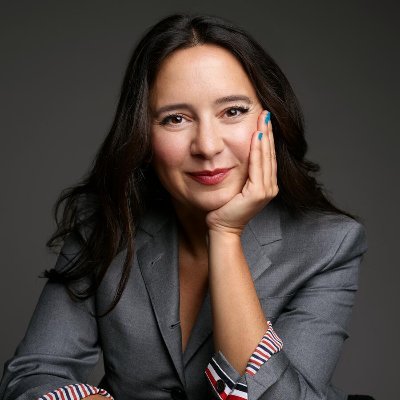
Bari Weiss CBS Editor in Chief (Image X.com)
A shelved investigation into Trump-era deportations to El Salvador’s CECOT prison has ignited newsroom backlash and raised sharp questions about editorial power versus political pressure.
By TRH World Desk
New Delhi, December 22, 2025 — The sudden pulling of a “60 Minutes” investigation just hours before airtime has exposed a raw nerve inside American journalism—where editorial judgment ends and political pressure begins.
According to POLITICO, CBS News abruptly shelved a completed segment examining the experiences of Venezuelan men deported by the Trump administration to El Salvador’s notorious CECOT prison, a facility long criticised by human rights groups. The decision, made by newly appointed editor in chief Bari Weiss, immediately triggered backlash within the newsroom, including from veteran correspondent Sharyn Alfonsi, who reported the story.
Weiss defended the move as a routine editorial call, arguing the segment lacked “critical voices,” notably an on-camera response from Trump administration officials such as Stephen Miller. But Alfonsi’s internal email, later made public, tells a different story. She said the team had sought comments from the White House, DHS, and the State Department, and that the piece had already cleared rigorous editorial and fact-checking reviews.
Her verdict was blunt: pulling the story so close to broadcast was “not an editorial decision, it is a political one.”
That distinction matters. Journalism does not require government permission to publish verified facts. As Alfonsi put it, official silence is “a statement, not a veto.” To suggest otherwise risks allowing power to dictate coverage by simply refusing to engage.
Variety’s reporting adds nuance—Weiss told staff that abuse at CECOT was already known and that “60 Minutes” must go further than repetition. Yet timing and context are everything. When a story featuring first-person testimony is stopped at the eleventh hour, the message sent—to journalists and the public alike—is chilling.
CBS says the segment will air later. But the damage is already done. This episode is no longer just about one prison or one broadcast. It is about who ultimately decides when journalism is “ready”—editors, or politics.
Follow The Raisina Hills on WhatsApp, Instagram, YouTube, Facebook, and LinkedIn




About The Author