When Caste Politics Reached Campuses, the Court Stepped In
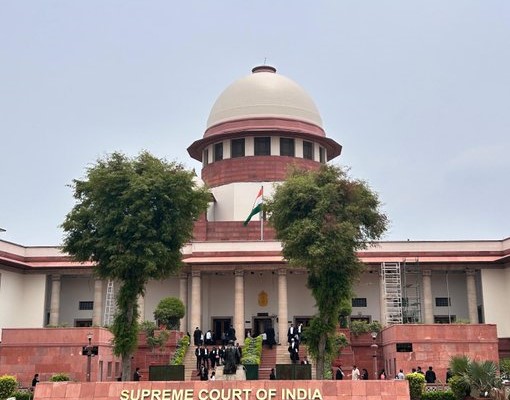
Image credit X.com
As the top court stays the UGC’s Social Inclusion Regulation, questions rise over method, motive, and misuse of identity politics in higher education
By Manish Anand
New Delhi, January 29, 2026 — The Supreme Court of India has put the controversial UGC Social Inclusion Promotion Regulation, 2025 in abeyance—and it has done so with unusually sharp language. The message is unmistakable: equality cannot be enforced through methods that risk deepening division.
The message from the apex court is clear: political efforts to organise society along caste lines show no signs of fading. While the stated objective of the regulation—promoting social inclusion and equality on educational campuses—appears noble, the court found serious fault with the method adopted by the Union government.
At the heart of the concern is the danger of institutionalising suspicion. The regulation, critics argued, could turn campuses into arenas of accusation, where allegations become easy to make but extremely difficult to disprove. Once charged, the burden shifts unfairly to the accused—an inversion of natural justice that the court appeared unwilling to endorse.
Protests by students from general-category backgrounds had already erupted across the country, warning that the framework was subjective and vulnerable to misuse. The Supreme Court’s intervention has now validated those apprehensions, noting that such rules may increase inequality rather than reduce it, and fracture campuses along caste lines.
This is not an isolated episode. In recent weeks, the court also stayed the government’s controversial Aravalli environmental regulations, again after public outrage and legal scrutiny. A troubling pattern emerges: policy initiatives pushed without adequate consultation, dismissed as “misinformed” when challenged, and ultimately halted by judicial intervention.
The deeper political question is unavoidable. Was this regulation about social justice—or about extending OBC-centric electoral politics into higher education spaces? Critics argue that by layering another identity framework onto already sensitive campuses, the government risked inflaming tensions rather than resolving historic inequities.
Equally striking is the silence of mainstream media. Debate and scrutiny largely unfolded on YouTube and social media platforms, led by independent journalists and commentators, while legacy outlets remained conspicuously muted.
Equality remains a constitutional ideal worth defending. But as the Supreme Court has reminded the nation, one injustice cannot be corrected by creating another. When executive intent outruns constitutional method, the judiciary remains the last line of defence.
(This is an opinion piece. Views expressed are author’s own.)
Follow The Raisina Hills on WhatsApp, Instagram, YouTube, Facebook, and LinkedIn




About The Author