‘Venezuela Negotiated Extraction’: Maduro Was Bargained Away?
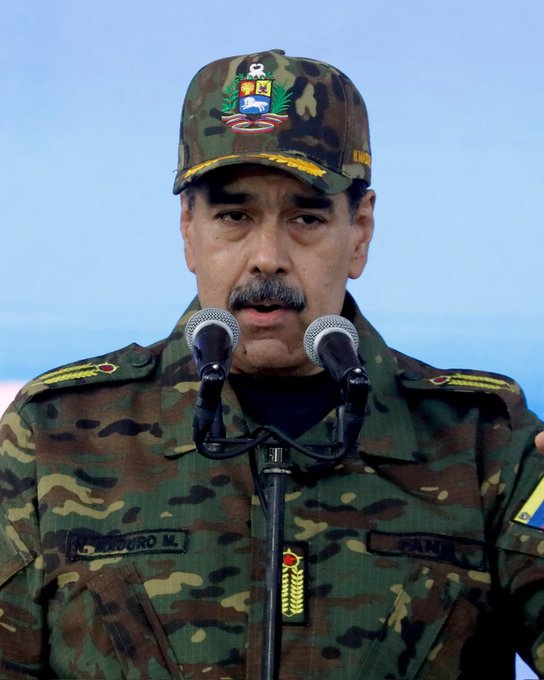
Trump says US captured Venezuelan President Maduro and his wife.
Former UN ambassador Louise Blais argues Washington chose stability and oil over democracy—sacrificing Maduro without dismantling the system.
By TRH Foreign Affairs Desk
New Delhi, January 5, 2026 — The fall of Nicolás Maduro was dramatic—but according to former UN ambassador Louise Blais, it was not a revolution. It was a deal.
In a striking LinkedIn assessment, Blais contends that what unfolded in Venezuela was not a regime-change operation but a “negotiated extraction.” The evidence, she argues, lies not in what happened—but in what didn’t.
The Venezuelan state did not collapse. The army did not fracture. The intelligence and internal security apparatus remained intact. “Instead, the system bargained, sacrificing its most internationally toxic figure to preserve the deeper power structure—one still anchored by the Rodríguez siblings,” added Blais.
Crucially, popular opposition leader María Corina Machado remains sidelined, her democratic mandate deferred yet again.
From Washington’s perspective, the transaction delivered two immediate gains.
First, oil for cash. A controlled pathway back to Venezuelan crude offers strategic relief at a moment when global supply discipline carries domestic political weight in the United States.
Second, Maduro for optics. “A personalised outcome allows the White House to project decisiveness without paying the price of a prolonged intervention, nation-building, or institutional overhaul,” wrote Blais.
The military choreography reinforces this interpretation. Strikes were minimal, selective, and restrained. Blais asserted that “there was no systematic effort to decapitate the regime, dismantle the armed forces, or destroy internal security networks. That restraint is revealing.” Had regime change been the objective, the targeting would have looked very different.
The larger implication is unsettling. This was not a victory for democratic transition. It was a transaction prioritising stability over democracy. The Venezuelan state survives, minus one figurehead. Washington avoids an open-ended commitment. But legitimacy, governance, and reform are postponed—not resolved.
Whether this moment becomes an opening for genuine political change, or merely a more palatable version of the same power arrangement, will define the next phase. For now, Venezuela did not witness a rupture. It witnessed a bargain as argued by the diplomat.
US in Latin America: Why Venezuela Is Just the Latest Target
Follow The Raisina Hills on WhatsApp, Instagram, YouTube, Facebook, and LinkedIn




About The Author