Trump’s US-Venezuela Energy Deal: Oil, Power and Geopolitics

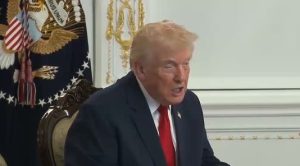
US President Donald Trump addresses a press conference after military attacks on Venezuela. (Image White House on X)
Trump’s US-Venezuela energy deal aims to secure American energy dominance and reshape geopolitics—but it also sparks controversy and strategic risks.
By TRH World Desk
New Delhi, January 7, 2026 — The US-Venezuela energy deal announced by Donald Trump represents an extraordinary turn in American foreign and energy policy. It blends national security, economic strategy, and geopolitical ambition. According to the Department of Energy’s fact sheet, this deal is now positioned as a centerpiece of Trump’s effort to “restore prosperity, safety, and security” for both the United States and Venezuela.
For decades, Venezuela was a wealthy nation whose vast oil reserves underpinned strong ties with the United States. “But more than twenty years of internal political turmoil, economic collapse, and mismanagement displaced that dynamic, diminishing Caracas’s oil output even as Washington tightened sanctions,” claimed the US Department of Energy.
In the early days of January 2026, the United States not only conducted a dramatic operation that resulted in the capture of Venezuelan leader Nicolás Maduro, but also sealed a deal to bring millions of barrels of Venezuelan crude into the US energy market. Trump’s administration has begun marketing approximately 30 to 50 million barrels of Venezuelan oil, and plans for sales that could continue indefinitely.
Central to this strategy is the decision to funnel all proceeds from these sales into US-controlled accounts at globally recognised banks, with Washington deciding how those funds are allocated—to benefit both Americans and Venezuelans. This approach signals a significant shift in how Washington engages with a country long estranged by sanctions and diplomatic isolation.
Critics argue that redirecting Venezuelan oil away from traditional buyers like China toward the United States could have wide geopolitical repercussions. It may help reinforce US energy security and supply lines, yet it risks alienating global partners and exacerbating tensions with rivals who see US control over another nation’s energy as a form of dominance rather than cooperation.
The framework of the deal also anticipates modernising Venezuela’s energy infrastructure, including improved transport and mixing of heavy crude with US diluent to optimise production and distribution.
Investments from American and international firms are expected to play a key role in reviving production, though the logistics of revamping Venezuela’s dilapidated grid and facilities pose formidable challenges.
What remains clear is that the US-Venezuela energy deal is more than an oil agreement—it’s a geopolitical pivot. It demonstrates Washington’s willingness to recalibrate sanctions, seize economic opportunity, and redefine energy markets in ways that echo far beyond the Americas.
Follow The Raisina Hills on WhatsApp, Instagram, YouTube, Facebook, and LinkedIn




About The Author