Trump’s ‘Deepest, Darkest China’ Post Puts India’s Role in Focus
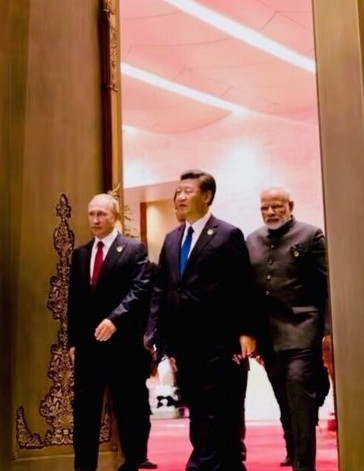
SCO Summit 2025 (Image Trump post)
From warnings of US-India rupture to recognition of a new Cold War, Trump’s latest Truth Social post—mocking India, Russia, and China’s bonhomie at the SCO Summit—has triggered sharp reactions from diplomats and commentators.
By TRH Global Affairs Desk
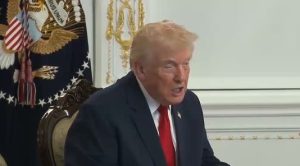
NEW DELHI, September 5, 2025 — US President Donald Trump’s latest outburst on Truth Social has once again set the diplomatic world abuzz. Posting a photo of Vladimir Putin, Xi Jinping, and Narendra Modi walking together at the Shanghai Cooperation Organization (SCO) Summit, Trump lamented: “Looks like we’ve lost India and Russia to deepest, darkest China. May they have a long and prosperous future together!”
The post immediately triggered a cascade of reactions, ranging from alarm to derision.
Kanwal Sibal, India’s former foreign secretary, warned in a post on X that Trump’s words, if taken literally, suggested a grim conclusion: “If taken literally, Trump’s post implies that the US has concluded that India-US ties have irretrievably broken down. Is he therefore reconciled to this and does not intend to make any effort to undo his punitive approach to India?” Sibal raised the specter of fresh coercive measures against New Delhi, while also noting Trump’s inconsistency on China: “What does this post say about not imposing any sanctions on China and pursuing a ‘beautiful deal’ with that deepest, darkest country?”
The remark, Sibal said, epitomized “inept, whimsical, and self-damaging diplomacy by an impulsive leader”—and could risk stoking anti-India sentiment within Trump’s MAGA base.
European commentator Velina Tchakarova took a different view, interpreting the post as a reluctant acknowledgment of Cold War 2.0. “Trump officially recognizes the Cold War between America and the DragonBear (China-Russia). That dual embed makes India the ultimate geopolitical bridge-builder and swing state of Cold War 2.0,” she argued on X. For her, Trump’s words underscored India’s pivotal balancing role, suggesting that Modi and Trump would ultimately “find a way.”
Meanwhile, U. commentator Brian Krassenstein in a post on X was blunt: “Trump admits his tariffs failed and so too did his foreign policy.”
The timing of Trump’s post is telling. The SCO Summit has become an annual stage for showcasing multipolar bonhomie, with Xi, Putin, and Modi often projecting solidarity despite their complex differences. This year, the optics of the three leaders walking shoulder-to-shoulder were powerful—suggesting to Washington that Asian powers intend to deepen coordination. Notably, India avoided participating in China’s military parade, underlining its careful hedging.
Still, Trump’s post suggests he views India, Russia, and China as part of a bloc slipping from American influence. Whether rhetorical hyperbole or strategic frustration, the statement highlights the fragility of US influence in Eurasia—and the risks of diplomacy shaped by social media outbursts.
Follow The Raisina Hills on WhatsApp, Instagram, YouTube, Facebook, and LinkedIn




About The Author