


By TRH World Desk
Trump says the Iran ceasefire is effectively over, while fresh strikes and sanctions threats push the region closer to another crisis. But is Washington escalating to fight—or to force Tehran back to negotiations? Our analysis examines whether diplomacy still has a chance.
New Delhi, July 9, 2026 — The fragile ceasefire between the United States and Iran appears to have entered its most dangerous phase yet.
US President Donald Trump’s remarks at the NATO summit—declaring that the agreement is effectively over while hinting at renewed oil sanctions and potential military strikes—have dramatically raised tensions across the Middle East. Yet beneath the rhetoric lies a familiar pattern that has characterized Trump’s foreign policy: maximum pressure coupled with an invitation to negotiate from a position of strength.
Speaking to Al Arabiya English, broadcaster Jono Hayes said the latest rhetoric from Trump suggests the ceasefire is “much closer to a collapse” than to a diplomatic breakthrough, although he argued negotiations remain possible.
The central question is whether Washington is preparing for another military confrontation or using the threat of one to compel Tehran back to the negotiating table.
Hayes noted that Trump’s threats to reinstate oil sanctions and order punitive strikes mark “a big escalation,” but argued the rhetoric resembles the pressure campaign that preceded the earlier ceasefire.
“We’ve seen success from Donald Trump with this kind of language in the past,” Hayes said, suggesting Washington may be attempting to force Tehran back to the negotiating table through coercive diplomacy rather than preparing for a prolonged war.
Such rhetoric has precedent. Before the current ceasefire took shape, Trump had threatened Iran’s critical oil infrastructure, transportation networks, and strategic facilities. Those warnings were followed not by a prolonged war but by a negotiated pause in hostilities.
According to Hayes, neither side has an interest in returning to full-scale conflict. He described the confrontation as “the most expensive war per day in conflict history,” warning that attacks affecting commercial shipping routes immediately increase insurance costs, freight rates and oil prices.
Supporters of this approach argue that unpredictability strengthens America’s negotiating leverage.
Military Action Makes Diplomacy Harder—Not Impossible
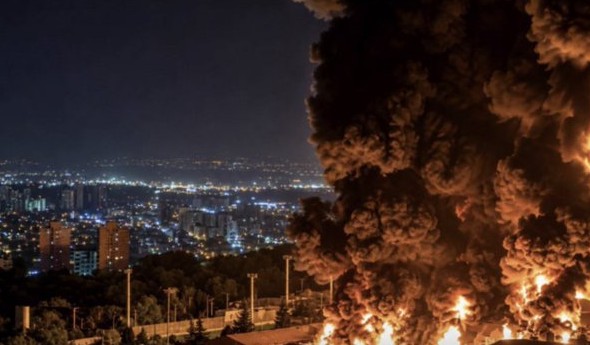
The United States says it struck dozens of Iranian military targets, including air-defence systems, radar installations and assets linked to the Islamic Revolutionary Guard Corps (IRGC). Iran, meanwhile, claims it retaliated against American military facilities in Bahrain and Kuwait.
Each exchange narrows the political space for compromise.
Neither Washington nor Tehran wants to appear weak before domestic audiences. Every missile launched makes diplomatic concessions more politically costly.
Yet history shows that ceasefire negotiations often continue even while fighting persists. Active hostilities do not automatically eliminate diplomatic channels. In many conflicts, negotiations have advanced precisely because both sides recognized that continued escalation carried unacceptable costs.
Perhaps the strongest argument for renewed diplomacy lies not on the battlefield but in economics.
Iran continues to face severe economic strain from sanctions, inflation and restricted access to international financial markets. Relief from sanctions remains one of Tehran’s primary strategic objectives.
The United States also has incentives to avoid a prolonged regional conflict.
Any sustained military campaign in the Gulf risks disrupting commercial shipping routes, increasing insurance premiums, raising freight costs and driving oil prices higher. Those consequences would reverberate across global markets, affecting energy-importing countries such as India and complicating inflation management worldwide.
“The ceasefire is hanging on by a thread,” Hayes told Al Arabiya English, but he stressed that diplomacy “isn’t necessarily dead.”
Another factor discouraging full-scale conflict is the extensive American military footprint across the Middle East.
With tens of thousands of U.S. personnel stationed throughout the region, any prolonged confrontation carries significant operational and political risks. Iran retains the capability to threaten American bases through missile attacks and proxy networks, even if it cannot match U.S. conventional military power.
This creates a paradox.
Both sides possess enough military capability to inflict substantial damage but also enough vulnerability to make escalation prohibitively expensive.
That mutual deterrence often creates space for diplomacy—even after periods of intense military activity.
Why the Middle East Crisis Is Far From Over Despite Ceasefire Hopes
Follow The Raisina Hills on WhatsApp, Instagram, YouTube, Facebook, and LinkedIn




