Takaichi Doctrine vs China: Why Deterrence Must Return for Japan
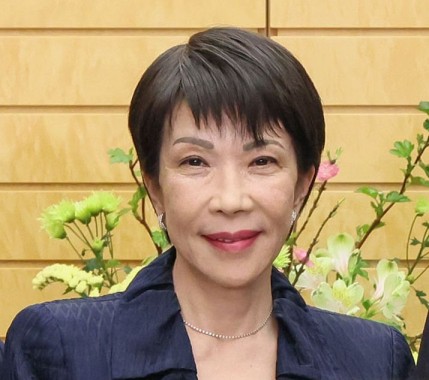
Japan Prime Minister Sanae Takaichi. (Image LinkedIn)
Former ambassador Shingo Yamagami warns Tokyo against hesitation as China tests Japan’s resolve
By TRH Foreign Affairs Desk
New Delhi, January 23, 2026 — The Sanae Takaichi administration, launched in October 2025, has made what can only be described as a flying start in foreign and security policy. Early outreach to Southeast Asian leaders and a carefully choreographed meeting with US President Donald Trump in Tokyo projected confidence, clarity, and intent.
Yet, as Shingo Yamagami, former Ambassador of Japan to Australia, argues in Japan Forward, the real test was always going to come from China—and it arrived sooner than expected.
Yamagami notes that praise for Takaichi’s diplomacy came quickly, including private messages from former Australian prime ministers Tony Abbott and Scott Morrison. “Their responses reflected a broader revival of international expectations toward Japan,” he writes, following what he describes as a strategic lull after the end of the Shinzo Abe era.
The controversy erupted after Takaichi responded to a hypothetical security scenario in the Diet—remarks that merely reiterated established legal principles. Yet Beijing, joined by parts of Japan’s opposition and expert class, demanded a retraction. For Yamagami, the uproar felt painfully familiar. After four decades navigating debates on the Japan–US alliance, UN peacekeeping, and collective self-defence he saw the episode as proof that old reflexes still dominate Japanese diplomacy.
The deeper problem, Yamagami argues, was not Takaichi’s words but Tokyo’s reluctance to confront Beijing’s provocation. He points to the incendiary remarks by Xue Jian, China’s consul general in Osaka, who openly threatened Japan’s prime minister. By any diplomatic norm, such behaviour warranted expulsion. Instead, Japan hesitated—and paid the price. The narrative shifted from Chinese misconduct to Japanese “militarism.”
This failure, Yamagami warns, reflects a chronic weakness in Japan’s response to information and cognitive warfare. Beijing revived its familiar “history card,” accusing Tokyo of sliding back toward militarism. Platitudes about Japan being a “peaceful postwar nation,” he argues, are no longer sufficient. Japan must state plainly that China’s military expansion and refusal to commit to a peaceful Taiwan resolution compel defensive action—including collective self-defence if necessary.
Takaichi, Yamagami insists, cannot be left to fight alone. Japan must strengthen deterrence, not dilute it. Her upcoming visit to Washington is pivotal—not to flatter Trump, but to engage him directly and ensure Japan’s strategic interests are understood.
Appeasement has failed before. If Japan repeats it now, Yamagami warns, the costs will be far higher.
Why China–Japan Ties Are Entering Their Most Dangerous Phase
Follow The Raisina Hills on WhatsApp, Instagram, YouTube, Facebook, and LinkedIn




About The Author