Starmer vs Trump: When Alliance Meets Insult Over Britain’s Dead
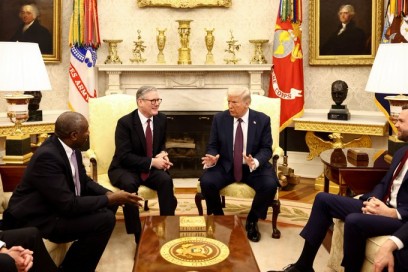
UK PM Keir Starmer with US President Donald Trump (Image credit White House)
Keir Starmer’s rebuke of Donald Trump over Afghanistan remarks exposes the moral limits of the UK–US ‘special relationship’
By TRH World Desk
New Delhi, January 23, 2026 — Politics often demands restraint. Grief does not.
In a stark video statement, UK Prime Minister Keir Starmer began where any national leader should—by honouring the 457 British service personnel who lost their lives in Afghanistan. Their courage, bravery, and sacrifice, he said, must never be forgotten. Nor should the many who returned with life-changing injuries.
That solemn tribute framed Starmer’s condemnation of remarks made by US President Donald Trump, which he described as “insulting” and “appalling.” More importantly, Starmer acknowledged the pain inflicted on bereaved families—pain that reverberated far beyond Westminster and into homes across the country.
One voice stood out: Diane Ederney, the mother of Ben Parkinson, a soldier who suffered catastrophic injuries. Her demand was simple and human—be tougher, demand an apology. Starmer’s response cut through diplomatic fog. “If I’d misspoken in that way or said those words, I would certainly apologise,” he said. To her. Directly.
This moment matters because it draws a clear moral line. Starmer was pressed on whether he was becoming exasperated—this being the third or fourth time in a single week he had publicly distanced himself from Trump’s words. His answer was measured but revealing. Yes, the UK’s relationship with the US is vital—for security, defence, and intelligence. And yes, it must be maintained.
But maintenance is not submission. The “special relationship” has often been invoked to justify silence when it is least defensible. Starmer’s intervention suggests a recalibration: alliances endure, but not at the expense of dignity—especially when the dead are invoked casually and the wounded are diminished.
In democracies, words from power carry weight. When they wound those who have already paid the highest price, silence becomes complicity. Starmer chose speech over silence, principle over convenience.
This is not anti-Americanism. It is pro-accountability. It is a reminder that respect for sacrifice is not optional, and apologies—when warranted—are not weakness.
If this is becoming a habit, as critics suggest, perhaps that says less about Starmer’s patience and more about the times we live in—where leaders must repeatedly restate what should have been obvious: honour the fallen, respect the living, and never trivialise war’s cost.
Follow The Raisina Hills on WhatsApp, Instagram, YouTube, Facebook, and LinkedIn




About The Author