“Sorry Is Not Enough”: Starmer Vows Epstein File Accountability

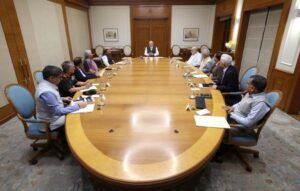
UK Prime Minister Keir Starmer (Image X.com)
In a rare moment of moral reckoning, the UK Prime Minister apologises to victims—and signals accountability at the highest level
By TRH World Desk
New Delhi, February 5, 2026 — When a Prime Minister says “sorry,” it is usually a ritual—carefully worded, legally cautious, and emotionally distant. Keir Starmer’s statement on Thursday was none of those things. It was raw, direct, and deliberately personal.
“I’m sorry,” Starmer said. “Sorry for what was done to you. Sorry that so many people with power failed you. Sorry for having believed Mandelson’s lies and appointed him.”
The apology did not stop there. Acknowledging the repeated public re-traumatisation of those affected, Starmer added: “I’m sorry that even now you’re forced to watch this story unfold in public once again.”
In British political culture—where accountability is often procedural rather than emotional—this was an unusual moment. Starmer did not distance himself from institutional failure. He placed himself squarely inside it.
But the statement was not only about contrition. It was also a warning.
“In this country,” the Prime Minister said, “we will not look away, we will not shrug our shoulders, and we will not allow the powerful to treat justice as optional.”
Those words matter. They signal a conscious attempt to redraw the boundary between influence and immunity—between reputation and responsibility. Starmer pledged that the government would “pursue the truth,” “uphold the integrity of public life,” and do “everything in our power and in the interests of justice to ensure accountability is delivered.”
The reference to Peter Mandelson—a towering figure in modern Labour politics—adds gravity. By admitting error in appointing him, Starmer acknowledged that elite networks can blind even reform-minded leaders. It was a rare admission that proximity to power can distort judgment.
For victims, apologies alone are never enough. Justice delayed often feels like justice denied. But political accountability begins with recognition—and recognition begins with language that does not evade responsibility.
Starmer’s challenge now is execution. Britain has heard powerful words before. What it has seen less often is consequence—especially when the powerful are implicated.
If this moment becomes another chapter of regret without reform, the apology will fade. If, however, it leads to transparent inquiry and real accountability, it may mark a turning point in how Britain confronts abuse of power.
One line from Starmer’s statement lingers: justice is not optional.
The country will judge him not by how forcefully he said it—but by how faithfully he enforces it.
Epstein Files, KGB Playbook, and Britain’s Unanswered Questions
Follow The Raisina Hills on WhatsApp, Instagram, YouTube, Facebook, and LinkedIn




About The Author