Shivraj Patil: The Outfit-Changing Home Minister India Forgot
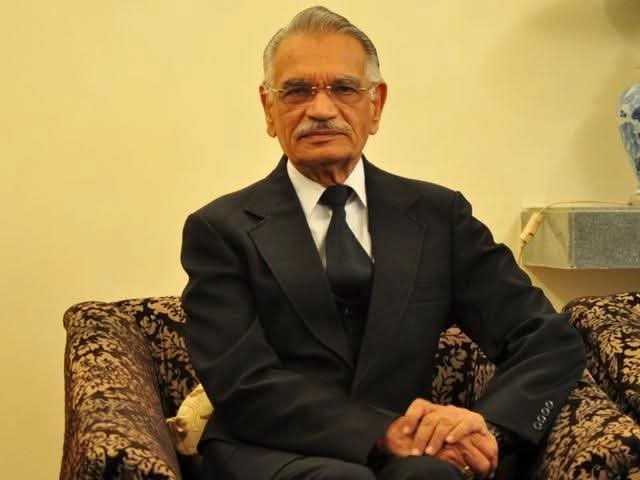
India's former Home Minister Shivraj Patil passed away on Friday. (Image KC Venugopal on X)
A 2008 blast anniversary—and a fresh car bomb in 2025—rekindles memories of Sonia Gandhi’s handpicked Home Minister Shivraj Patil, whose repeated outfit changes during one of India’s deadliest terror waves became a symbol of a faltering security regime.
By NIRENDRA DEV
New Delhi, December 12, 2025 — A car bomb blast on November 10, 2025, instantly dragged memory back to an era many in Delhi’s political corridors would rather forget: the tumultuous years between 2005 and 2008 when India was repeatedly shaken by terror and its Home Minister—Sonia Gandhi’s handpicked Shivraj Patil—became the face of a failing security apparatus.
On Sept 13, 2008, five crowded markets in Delhi were ripped apart by serial explosions that killed 18 people. The images remain etched in memories of the people. And so does the Home Minister’s response: “Do Not Criticise My Clothes!’
As the nation reeled, then Home Minister Shivraj Patil appeared on television and at blast sites in multiple sets of freshly pressed outfits—a detail even a two-year-old could spot.
Patil, who had lost the 2004 Lok Sabha polls but was elevated to the Home Ministry solely on Sonia Gandhi’s trust, dismissed criticism with a now-infamous line: “Criticise me and my policies. Do not criticise my clothes.”
But for the public—and increasingly, his own allies—the optics were damning. It fed a narrative of vanity, detachment, and administrative drift at a time when terror groups struck Indian cities with alarming frequency.
India’s Terror Peak Under the UPA
Between October 2005 and September 2008, more than 400 people were killed in bombings across Delhi, Jaipur, Ahmedabad, Bengaluru, Varanasi, Hyderabad, Ayodhya and beyond.
Many attacks were claimed by the Indian Mujahedeen, which emailed media houses—especially those seen as sympathetic to the Congress—with chilling warnings.
The 2008 Delhi blasts were coordinated strikes:
- Karol Bagh
- Connaught Place
- Central Park
- Barakhamba Road
- Greater Kailash
Victims were blown apart; a woman’s hand was found near the CP metro station. More than 50 casualties reached a single hospital in under two hours. And yet, arrests were minimal.
A New York Times report from that period noted: “Along with inflation, the attacks are a major point of vulnerability for the incumbent administration.”
UPA’s Security Paralysis
Patil’s critics multiplied. BJP leader Arun Jaitley said the “issue is not his clothes but his work.” Even within UPA, leaders like Lalu Prasad Yadav privately admitted Patil’s handling of the Home portfolio had been “very poor,” especially compared to the tough posture expected after the 2002 Gujarat violence and subsequent terror retaliation narratives.
Terrorists targeted temples, mosques, tech hubs, and markets. In July 2008, Ahmedabad saw 49 killed, and Bengaluru was bombed the same month. The mastermind behind the Bengaluru blasts, T Nazir, was later arrested—living quietly as a ginger farmer.
2008 to 26/11: The Last Straw
The 13 September blasts were only a grim prelude. Two months later came 26/11 Mumbai, after which Patil was forced to resign on November 30, 2008. P. Chidambaram replaced him.
Yet even then, the UPA refrained from taking punitive action against Pakistan.
Public Memory Fades—But Should It?
Despite the carnage, the BJP failed to convert public anger into electoral gains. It lost the Delhi assembly polls held just a day after 26/11 and then the 2009 Lok Sabha elections, pushing L.K. Advani into political exile.
But the political outcome does not erase the security lapse. The era is a stark reminder of what happens when loyalty overrides competence, and optics overshadow urgency—lessons that linger every time a new blast shakes India.
(This is an opinion piece, and views expressed are those of the author only)
Tahawwur Rana Extradition & Double-faced US Stand on Terrorism
Follow The Raisina Hills on WhatsApp, Instagram, YouTube, Facebook, and LinkedIn




About The Author






It is ironically tendentious that the Raisina Hills has chosen to keep quiet on the terror attack on Indian parliament that took place on 13th December 2001 under the BJP gov headed by AB Vajpai