Rosalía Ascends: Spanish Star Releases Sonic Opera with LUX
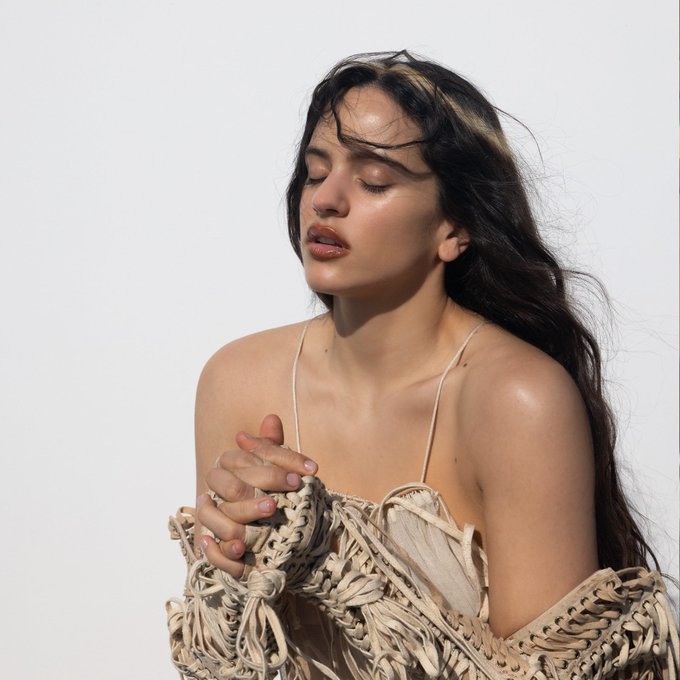
ROSALÍA's new album LUX has been released. (Image Apple Music on X)
Critics hail LUX as her most ambitious work yet, earning five stars from Rolling Stone and Best New Music from Pitchfork.
By S JHA
Mumbai, November 7, 2025 — Rosalía has never been content to stay on Earth. With LUX, her fourth studio album released today, the Spanish singer-songwriter has traded MOTOMAMI’s motorbike armor for a celestial robe—delivering what critics are calling a “sonic opera,” a “crusade to conquer the mysteries of human existence,” and “an emotional arc of feminine mystique, transformation, and transcendence.”
Within hours of release, LUX overwhelmed Spotify servers from a surge of global listeners, while fans on X (formerly Twitter) celebrated her multilingual tour de force—15 tracks sung in 13 languages—as the most ambitious pop record of the decade.
A Sonic Pilgrimage
If MOTOMAMI was Rosalía’s sensual explosion of sound—part reggaeton, part rebellion—then LUX is her reckoning. The album opens with “Sexo, Violencia y Llantas,” where she murmurs, “How nice it’d be, to come from this Earth, go to Heaven, and come back to the Earth.” The line, critics say, captures the record’s overarching voyage between flesh and faith.
Pitchfork, which awarded the album 8.6/10 and “Best New Music” status, described LUX as “an offering of avant-garde classical pop that roars through genre, romance, and religion.” Across its four movements, the album merges flamenco, operatic waltzes, and orchestral sweeps recorded with the London Symphony Orchestra and Catalan choirs.
Rolling Stone praised Rosalía for “skewering an ex, singing in 14 languages, and rethinking marriage,” while Harper’s Bazaar called the project “a fully immersive sonic opera that proves the Spanish singer exists in another stratosphere of musicianship.”
Flamenco Meets the Future
Where earlier records like Los Ángeles and El Mal Querer brought flamenco into the pop mainstream, LUX reimagines it entirely. On tracks like “La Rumba del Perdón” and “Memoria,” she fuses handclaps and cante jondo with symphonic crescendos and digital glitchwork, while “Novia Robot” blurs the line between liturgy and artificial intelligence.
The album’s multilingual approach—featuring songs in Arabic, Catalan, French, German, Hebrew, Japanese, Latin, Mandarin, Portuguese, Sicilian, Spanish, and Ukrainian—extends her vision of global, borderless pop. “Rosalía doesn’t just want her fans to analyze the lyrics,” Harper’s Bazaar wrote. “She wants them to feel them.”
Faith, Femininity, and the Future of Pop
In interviews leading up to LUX, Rosalía described the record as a meditation on womanhood and transcendence. Themes of heartbreak, devotion, and divine ecstasy run throughout the hour-long project, which she has likened to an “oratorio for the messy heart.”
Guest appearances include Björk, Pharrell Williams, and Pulitzer Prize–winning composer Caroline Shaw, whose arrangements lend LUX a cathedral-like gravity.
“Though we only went public last year, we’ve built up our own uncancellable infrastructure,” joked one fan online, riffing off Rosalía’s own words about creative freedom.
Critical and Cultural Impact
If LUX feels like the culmination of Rosalía’s first artistic chapter, critics say it’s also a declaration of independence—from language, genre, and even expectation. Rolling Stone gave the album five stars, calling it “genre-defying and spiritually electric.” New York Magazine described it simply as “a very loud left turn—but so is everything Rosalía does.”
The album’s rapid ascent—both literal and metaphorical—cements Rosalía not just as one of global pop’s most adventurous auteurs, but as its philosopher-poet. In LUX, every song is a sermon, every beat a revelation.
Or as Pitchfork put it: “When the earthly map felt complete, she spoke directly from the heavens.”
Why Gen Z Finds Joy, Not Heartbreak, in Fleetwood Mac’s ‘Rumours’
Follow The Raisina Hills on WhatsApp, Instagram, YouTube, Facebook, and LinkedIn




About The Author