Meghalaya’s Illegal Mines Kill Again—12 Years After the Ban
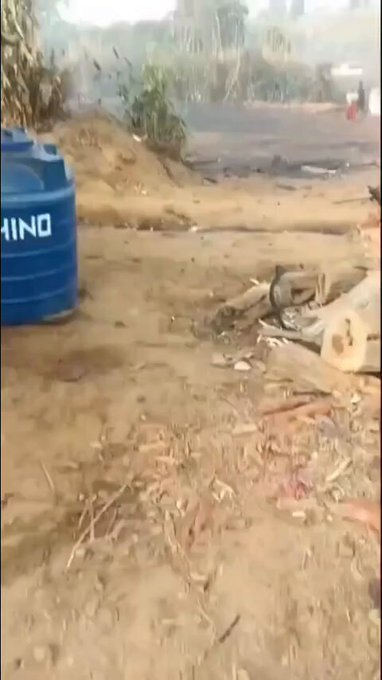
Meghalaya coal mining blast. (Image X.com)
Eighteen miners are dead in East Jaintia Hills—and the real blast is the collapse of state authority over illegal coal mining
By TRH Op-Ed Desk
New Delhi, February 6, 2026 — Eighteen lives were extinguished in a blast at an illegal coal mine in Meghalaya’s East Jaintia Hills. Eight others were injured. Rescue teams fear more bodies may still be trapped underground.
By now, the pattern is grotesquely familiar.
Police have arrested two people. Another accused has been identified. Meghalaya Chief Minister Conrad Sangma has warned of “strict action.” A suo motu FIR has been registered. The NDRF is on site. Statements are flowing.
But the dead will not return—and neither will the truth be addressed unless we ask the most uncomfortable question of all: how is illegal coal mining still operating in Meghalaya twelve years after the NGT banned rat-hole mining?
A Ban That Exists Only on Paper
The National Green Tribunal banned rat-hole coal mining in 2014, calling it unsafe, exploitative, and environmentally disastrous. That ban has now outlived dozens of miners.
The toll tells its own story:
2018: 15 miners trapped and killed
2021: At least 11 deaths across incidents
2025: 3 killed
2026: 18 dead in a single blast—so far
This is not regulatory failure. This is institutional surrender.
Illegal coal mining in Meghalaya does not survive because it is hidden. It survives because it is tolerated, protected, and monetised—by local power structures, political silence, and enforcement theatre.
Arrests After Deaths Are Not Justice
Meghalaya Police have acted after the blast. FIRs were filed after bodies surfaced. Warnings came after funerals were planned.
This is the cruel rhythm of governance failure: tragedy first, accountability later—if at all.
As journalist Pamela Philipose rightly noted, mining—legal and illegal—has been hollowing out Meghalaya’s ecology and conscience. Journalist Sadaf Afreen’s anguished words echo what locals have screamed for years: “Has the administration gone deaf?”
And Rahul’s timeline on X exposes the lie that these are “isolated incidents.” They are not accidents. They are predictable outcomes of state complicity.
Who Keeps These Mines Alive?
Rat-hole mining requires: explosives, transport routes, buyers, protection from raids, and advance warning of inspections.
None of this is possible without systemic collusion. The miners who died were not reckless adventurers. They were poor workers trapped in a deadly economy where risk is outsourced to the voiceless and profit flows upward—clean, laundered, and politically invisible.
If the NGT ban were enforced honestly, there would be no illegal mine to explode.
The Moral Bankruptcy of “Strict Action”
Every time a blast happens, the state promises strict action. Yet the mines reopen. The shafts deepen. The bodies pile up.
What kind of governance allows: banned activity to flourish for over a decade, repeated deaths in the same districts, and enforcement that activates only after media outrage?
At what point does negligence become criminal abdication?
If 18 people had died in a mall collapse or a factory fire, arrests would not stop at mine operators. Why does mining enjoy moral immunity?
What Must Change—Now
If Meghalaya is serious about ending this carnage, cosmetic responses won’t work.
- Permanent sealing and destruction of rat-hole shafts, not temporary closures
- Prosecution of officials, not just operators
- Asset seizure of those financing illegal mining
- Real-time monitoring using satellite and drone surveillance
- Alternative livelihoods, so desperation is not exploited again
Most importantly, the state must admit the truth: illegal coal mining is not a law-and-order issue—it is a political economy.
Follow The Raisina Hills on WhatsApp, Instagram, YouTube, Facebook, and LinkedIn




About The Author