Manali Snow Chaos: How FOMO Tourism Turned into a Nightmare
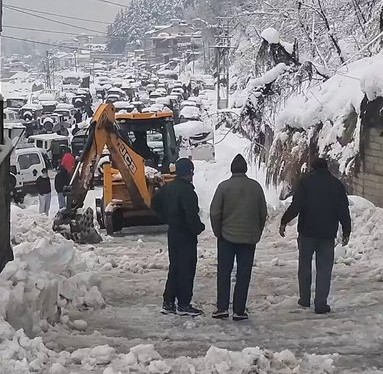
Heavy traffic snarl in Manali amid massive snowfall (Image Navneet Dahiya on X)
Manali snow chaos exposes India’s social-media-driven travel culture as reels trump weather warnings and common sense
By TRH News Desk
New Delhi, January 24, 2026 — The season’s first major snowfall should have been a gentle reminder of the Himalayas’ beauty and danger. Instead, it became Manali snow chaos—a made-for-social-media disaster that stranded hundreds overnight in freezing cars, without food or water, on the Chandigarh–Manali highway.
As Rattan Dhillon rightly pointed out on X, people once stayed home during extreme weather. Today, many want to be “part of it.” Snow is no longer a natural event; it is content. Reels and viral clips have transformed travel into a competitive performance, where the fear of missing out outweighs the fear of death.
The numbers are sobering. Over 1,200 roads were blocked, including four national highways. Authorities rescued around 1,200 people, while hundreds more remained stuck as temperatures plunged. Despite clear advisories—only 4×4 vehicles with snow chains—traffic surged. A viral video showed a car helplessly sliding toward a gorge, with even human intervention rendered useless by icy roads.
Vandeep Dahiya’s warning is crucial: weather alerts work only if people respect them. Long weekends and cheap internet cannot become excuses for collective irresponsibility. Snow will fall again. Manali will remain. Lives, however, are not replaceable.
This Manali snow chaos is not about nature’s fury alone; it is about human vanity amplified by algorithms. Until India learns that weather warnings are not suggestions and that Instagram moments are not worth a night of hypothermia—or worse—the mountains will keep teaching this lesson the hard way.
Follow The Raisina Hills on WhatsApp, Instagram, YouTube, Facebook, and LinkedIn




About The Author