Maharashtra Verdict Sends Message: Organisation Beats Identity
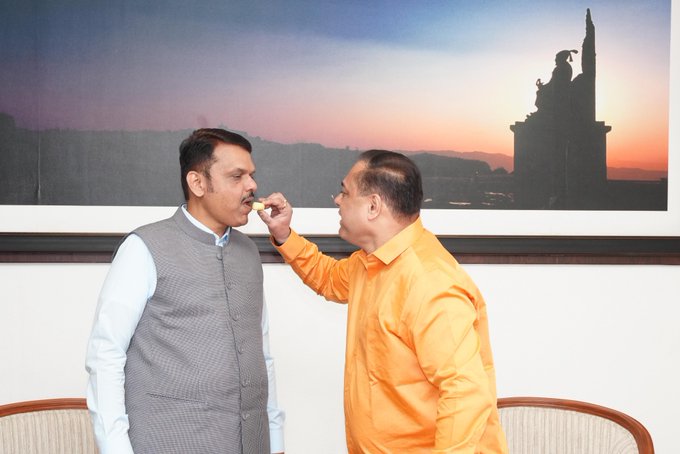
Maharashtra Chief Minister Devendra Fadnavis is feted after BMC election results (Image BJP4Mumbai on X)
From Bihar to Mumbai, election results show that identity politics is collapsing while the BJP’s organisational machine dominates Indian politics
By AMIT KUMAR
New Delhi, January 17, 2026 — The results of the Maharashtra municipal elections have delivered a message far bigger than local governance. From Bihar to Haryana, Delhi to Maharashtra, the pattern since the 2024 Lok Sabha elections has been unmistakable: identity politics is losing its electoral appeal, while organisational strength is deciding outcomes.
The BJP-led Mahayuti’s sweep of 25 out of 30 municipal corporations — with the BJP alone winning 19 — confirms a trend political observers had already flagged. Mumbai, home to Asia’s richest civic body, is now firmly under BJP control. This is not an isolated victory; it is part of a carefully executed national strategy to dominate not just Parliament and Assemblies, but also grassroots institutions.
The opposition appears trapped in an outdated political grammar. In Maharashtra, Sharad Pawar’s faction and Ajit Pawar’s faction fought together, yet were comprehensively defeated. Raj Thackeray and Uddhav Thackeray reunited after two decades, hoping Marathi identity politics would mobilise voters. It didn’t. Despite emotional symbolism and stage-managed unity, the experiment failed to translate into electoral momentum.
The message is blunt: regionalism, linguistic chauvinism and narrow identity narratives no longer inspire an aspirational, urban, internet-age electorate. Mumbai’s cosmopolitan voter rejected parochialism decisively. The same fate has followed identity-based politics in Bihar, where caste mobilisation failed spectacularly, and in Delhi, where rhetoric collapsed before organisation.
The BJP’s advantage lies not merely in leadership or narrative, but in its ground-level machinery. Modern elections are no longer won by speeches alone. They are won booth by booth, voter list by voter list, door by door. Who mobilised workers during voter enrolment? Who sat firmly at polling booths? Who identified undecided voters and persuaded them? This is where the opposition consistently falls short.
Blaming EVMs or alleging manipulation has become a substitute for introspection. Statistics tell a harsher story: the BJP’s booth-level presence far exceeds that of the Congress and regional parties. Organisation, not outrage, wins elections.
Veterans like Sharad Pawar once defined Maharashtra’s political imagination. Their decline signals a deeper truth: the politics of the 1990s cannot win elections in the 2020s. Personality, pedigree and identity have given way to structure, discipline and aspiration.
Unless the opposition rebuilds its organisation, crafts inclusive narratives, and abandons narrow identity politics, electoral defeats will continue — regardless of alliances or symbolism.
(This is an opinion piece. Views expressed are author’s own)
Follow The Raisina Hills on WhatsApp, Instagram, YouTube, Facebook, and LinkedIn




About The Author