Karpoori Thakur: The Jananayak India Forgot—and Remembered
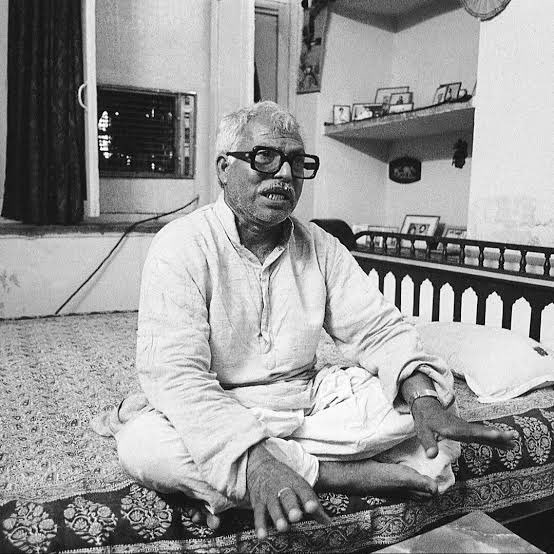
Former Bihar CM Karpoori Thakur
Denied power by feudal politics, embraced by the poor—how Bihar’s original social justice icon reshaped Indian politics long before Mandal became a slogan.
By RAJESHWAR JAISWAL
Patna, January 24, 2026 — Post-Independence Bihar witnessed many power struggles, but only one leader fundamentally altered its moral compass—Karpoori Thakur. Born into one of India’s most deprived social strata, Thakur shattered the glass ceiling erected by feudal privilege and rose—through sheer integrity, discipline and humanism—to become Bihar’s Chief Minister twice.
At a time when India’s ruling elite ensured that the marginalised never reached the top, Karpoori Thakur defied the system. He was not merely a politician; he was the political conscience of the oppressed.
Long before backward-class politics became electorally fashionable, Karpoori Thakur implemented reservation for backward classes in government jobs in 1977. The political dividends of that decision are being harvested today—by leaders and parties who often forget the man who sowed the seeds.
He was the political mentor of Lalu Prasad Yadav, Ram Vilas Paswan and Nitish Kumar—a fact that underlines his towering influence across ideological lines. His politics rested on four pillars: Backward class consolidation, promotion of Hindi, socialist ideology, and ensuring farmers received the true value of their labour.
Yet Karpoori Thakur never converted power into privilege. He never recommended a relative, never exploited the system, and famously refused government-funded medical treatment for his own son. He could have amassed wealth; instead, he left behind an example.
When veteran Uttar Pradesh leader Motilal Bahuguna visited Karpoori Thakur’s ancestral village and saw his hut, he was reportedly moved to tears. That hut was not poverty—it was political defiance.
A freedom fighter who spent nearly two-and-a-half years in jail during the Quit India Movement, Karpoori Thakur lived and died for the people. His death in 1988 at the age of 64 ended a life of sacrifice—but not his relevance.
For decades, Dalits, backward classes, intellectuals and social justice groups demanded national recognition for this guddi ka laal (son of the soil). Nearly three-and-a-half decades after his death, India finally honoured him with the Bharat Ratna—a moment of pride for the historically silenced.
Karpoori is not just a name. It is a standard—against which today’s politics must be judged.
(This is an opinion piece. Views expressed are author’s own)
Follow The Raisina Hills on WhatsApp, Instagram, YouTube, Facebook, and LinkedIn




About The Author