Karnataka Passes Hate Speech & Hate Crimes Bill Amid Chaos
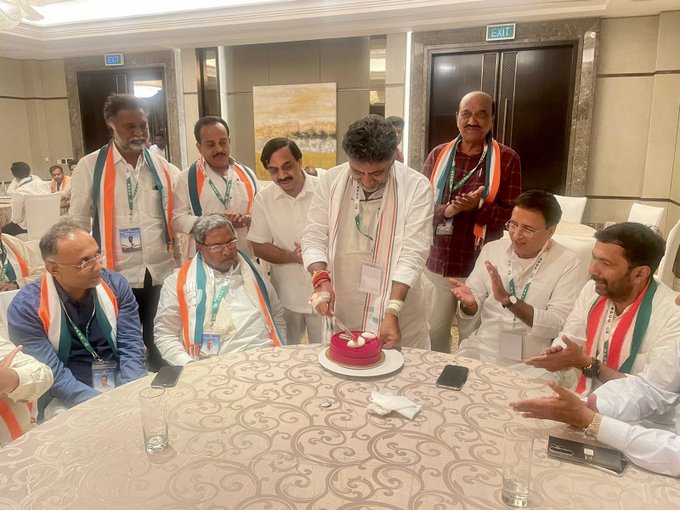
Photo credit Twitter DK Shivakumar
Opposition alleges misuse of police powers as Speaker clears bill without full debate; Congress says law will safeguard constitutional values
By TRH News Desk
New Delhi, December 18, 2025 — The Karnataka Legislative Assembly on Thursday passed the Hate Speech and Hate Crimes Bill amid sharp opposition protests, repeated disruptions and a walkout by BJP legislators. The Opposition alleged that the law could be misused to target political opponents, activists and organisations.
The debate on the bill was initiated by Home Minister G. Parameshwara. He argued that “hate speech has no place in a modern democracy and cited Supreme Court observations on its role in triggering violence and even murders.” Deputy Chief Minister D K Shivakumar said “the legislation was aimed at safeguarding constitutional values and curbing provocative political discourse.”
Proceedings, however, quickly descended into chaos. During the discussion, arguments erupted over historical references to B R Ambedkar and whether the Congress had defeated him in an election, consuming substantial House time. Tensions escalated further after Urban Development Minister B Suresh accused BJP MLAs of “burning” the communally sensitive coastal region. The BJP members rushed into the well of the House in protest.
Despite the disruption and incomplete debate, Speaker U T Khader announced the passage of the bill. This triggered strong objections from the opposition. BJP members demanded that the legislation be sent to a House committee for further scrutiny. When the Speaker declined, the opposition staged a walkout.
The bill makes hate speech and hate crimes non-bailable offences and empowers police to take individuals into preventive custody to maintain law and order. The government has defended these provisions, citing precedents under the Criminal Procedure Code, now replaced by the Bharatiya Nagarik Suraksha Sanhita (BNSS), which previously allowed preventive action based on intelligence inputs.
The BJP, led by Leader of Opposition R Ashoka, warned that vague definitions—such as “ill will”—could lead to arbitrary action. Ashoka claimed existing laws already address hate speech and alleged that the new bill could turn police into “Hitlers”.
The legislation defines hate crime broadly and includes communication, publication or circulation of hate speech. Section 5 extends liability to organisations, holding every person connected to an institution responsible for offences. Penalties range from one to seven years in jail and fines up to ₹50,000, with harsher punishment for repeat offences.
The bill also empowers the government to issue takedown orders to media platforms, raising concerns among journalists and civil society groups.
Follow The Raisina Hills on WhatsApp, Instagram, YouTube, Facebook, and LinkedIn




About The Author