Japan PM Sanae Takaichi Ignites a Fresh Dokdo–Takeshima Storm
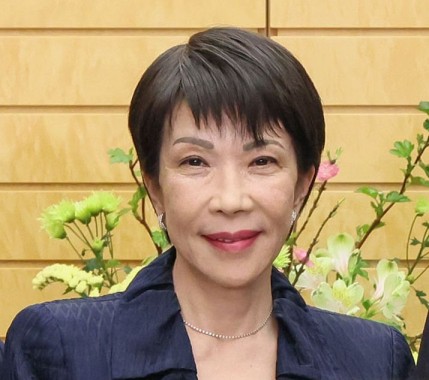
Japan Prime Minister Sanae Takaichi. (Image LinkedIn)
Prime Minister Sanae Takaichi’s assertive claim that Takeshima is “clearly Japan’s inherent territory” draws Seoul’s strongest rebuttal yet under President Lee Jae Myung — raising fears of a renewed Japan–South Korea flashpoint.
By TRH Foreign Affairs Desk
New Delhi, December 10, 2025 — Japanese Prime Minister Sanae Takaichi’s unusually forceful assertion that the disputed Dokdo/Takeshima islets are “clearly Japan’s inherent territory” has injected fresh volatility into a bilateral relationship already straining under competing nationalism and diplomatic necessity.
Her remarks, reported by Chosun Biz came during a House of Representatives Budget Committee session on Dec. 9 after Liberal Democratic Party lawmaker Takami Yasuhiro claimed that South Korea’s “illegal occupation” had not shifted “an inch.”
Takaichi seized the opening. She reiterated that Japan’s stance remained unchanged: historical evidence and international law, she said, confirmed Tokyo’s claim. She added that Japan would “respond calmly,” while working to ensure “accurate understanding” of its position both domestically and abroad.
But calm is unlikely to follow.
According to Yonhap, the response from Seoul was swift and unusually sharp. A senior South Korean presidential official declared that “no territorial dispute exists” and that “Dokdo is an integral part of Korean territory historically, geographically and under international law.” Seoul, the official added, would “sternly and firmly respond to Japan’s unjust claims.”
China-Russia Signal Trump on Ukraine with Red Lines on Japan
This is South Korea’s strongest rebuttal since President Lee Jae Myung assumed office in June 2025, and it threatens to overshadow months of careful diplomatic choreography. Tokyo and Seoul had been quietly coordinating a summit for January 2026, reportedly in Takaichi’s home region of Nara Prefecture, to preserve the “reciprocal visits” momentum both sides have publicly championed.
Yet territorial disputes have a unique ability to unspool even the most meticulously planned detente. Takaichi, Japan’s first conservative woman prime minister, has signalled she is unafraid to stake out uncompromising nationalist positions — a stance that plays well at home but rattles Seoul.
Dokdo/Takeshima itself remains largely symbolic but emotionally charged. A 2019 CNN report noted that only one long-term resident lived there; today, according to South Korea’s Ministry of Foreign Affairs, about 26 Korean personnel reside on the islets, including police officers, lighthouse workers and Dokdo Office staff.
Symbols, however, can alter strategic arcs. Takaichi’s remarks may have appeared routine — but they carry the potential to reshape the fragile diplomatic balance at a moment when Tokyo and Seoul need cooperation more than confrontation. The question now is whether both leaders can absorb this shock without derailing the delicate regional choreography they each claim to value.
Follow The Raisina Hills on WhatsApp, Instagram, YouTube, Facebook, and LinkedIn




About The Author