India Faces a Sobering Truth: The Hasina era was an Exception
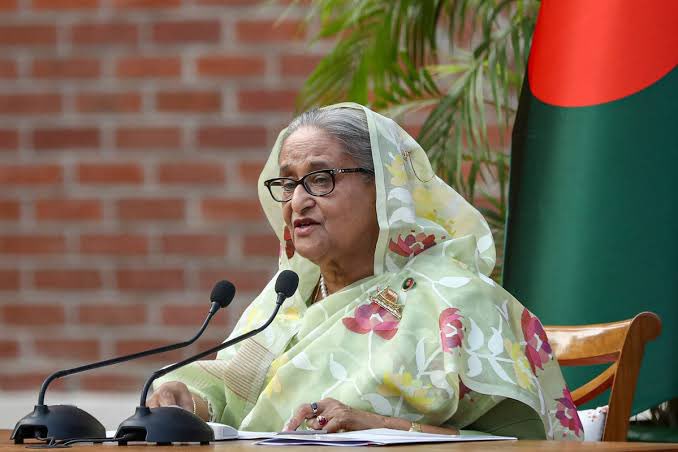
Image credit X.com
With elections looming and the army in focus, Yunus, Islamists, and foreign powers are reshaping Bangladesh—leaving India strategically exposed
By NIRENDRA DEV
New Delhi, December 20, 2025 — “A priest is a shepherd, the world is a wolf.” The old metaphor captures Bangladesh’s present turmoil with unsettling precision. A shepherd’s dilemma—whether to guard the flock or chase the wolves—now defines the country’s politics as it heads toward elections expected in February 2026.
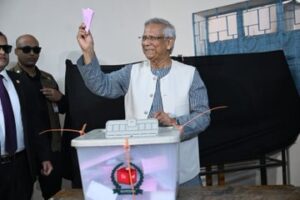
After nearly 15 years of Sheikh Hasina’s dominance, the pendulum has visibly swung away from India. The interim dispensation led by Muhammad Yunus, backed by shadowy sponsors and buoyed by anti-incumbency, is navigating a volatile transition. But elections alone will not resolve Bangladesh’s deeper contradictions—nor guarantee stability.
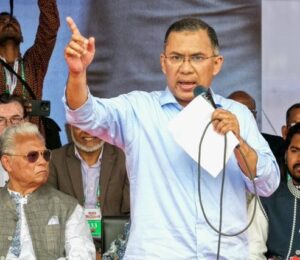
The Bangladesh Nationalist Party (BNP) is widely expected to outperform rivals, while Jamaat-e-Islami, once banned, has regained electoral registration. This alone raises serious questions about the ideological direction of the state. Equally uncertain is the fate of Awami League cadres and supporters: fragmented, politically orphaned, and searching for relevance in a fast-changing landscape.
The most critical variable, however, is the Bangladesh Army. Its role during and after the polls will shape outcomes far beyond ballots. For Yunus and the newly floated National Citizen Party (NCP), time is a scarce commodity. With influence largely limited to Dhaka and Chattogram, the NCP lacks the organisational depth needed for a national mandate. Hasina-bashing may energise rallies, but it cannot substitute for grassroots expansion—a political truth captured neatly by the Hindi adage: “Aata nahi ghar mein, mummy puri banao.”
India-bashing, by contrast, has proven a far more effective mobilising tool. Yet this comes with geopolitical consequences. A recent parliamentary panel chaired by Congress MP Shashi Tharoor flagged growing Islamist influence, the exclusion of major parties from elections, and a recalibration of Dhaka’s ties toward Pakistan and China. Infrastructure projects—from Mongla Port to Lalmonirhat Airbase and the Pekua submarine facility—signal a strategic drift with clear security implications for India.
Sajeeb Wazed Joy has warned that excluding the Awami League disenfranchises nearly half of Bangladesh’s electorate, risking a “rigged election” narrative and long-term instability.
For Delhi, this moment demands realism, not nostalgia. Post-1971, India assumed Bangladesh’s political consciousness would remain secular, plural, and historically anchored. That assumption is now fraying. As memories of 1971 fade and new alignments harden, India faces a sobering truth: the Hasina era was an exception, not the rule.
Follow The Raisina Hills on WhatsApp, Instagram, YouTube, Facebook, and LinkedIn




About The Author