Epstein’s Rolodex Exposed: America’s Elite Face Reckoning
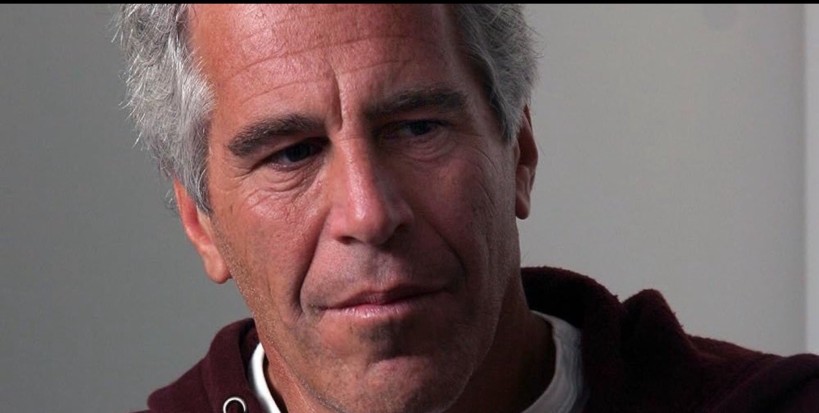
Jeffery Epstein (Image X.com)
As Jeffrey Epstein emails surface, Rep. Ro Khanna calls it a “moral reckoning” for the nation—raising urgent questions about power, proximity, and accountability
By TRH Op-Ed Desk
New Delhi, January 31, 2026 — For years, the Jeffrey Epstein scandal lingered in the shadows—half-acknowledged, heavily redacted, and politically inconvenient. Now, with newly released emails and documents surfacing, the story is no longer just about one convicted sex offender. It is about how deeply elite America was willing to look the other way.
Congressman Ro Khanna put it bluntly on X: “absolutely sickened” by the number of rich, powerful, and famous men whose names are emerging from the Epstein files. Along with Rep. Thomas Massie, Khanna warned this would be a “moral reckoning” for the nation. “Looks like that reckoning begins today,” he wrote.
At the center of the new disclosures is LinkedIn founder Reid Hoffman, whose name reportedly appears more than 2,600 times in Department of Justice Epstein files. The emails and records—spanning 2013 to 2018—describe repeated interactions between Epstein and Hoffman, including dinners, meetings, Zoom calls, and discussions of travel.
According to the documents, Epstein referenced Hoffman staying overnight at his New York townhouse, visiting his New Mexico ranch, and traveling through St. Thomas en route to Epstein’s private island. Epstein allegedly described Hoffman as a “very close friend,” advised him on tax strategies, and even assisted him in shopping for a private jet. Their correspondence, the files suggest, reflected a familiarity that went far beyond casual acquaintance.
Crucially, the documents also indicate that Hoffman may have introduced Epstein to some of the most influential figures in Silicon Valley, including Mark Zuckerberg, Peter Thiel, and Elon Musk. Separate references involving Bill Gates and even a possible introduction to the Saudi Crown Prince further expand the scope of Epstein’s access.
None of this establishes criminal guilt. But that is not the point—and never was.
The Epstein scandal has always been less about courtroom verdicts and more about systems of protection. Epstein did not operate in isolation. He thrived because wealth, influence, and reputation formed an informal shield—one that discouraged scrutiny and rewarded silence.
That is why these disclosures land with such force in an election year.
American politics is already saturated with anger over elite impunity—whether in finance, tech, or government. Epstein has become a symbol of a broader suspicion: that there is one justice system for ordinary citizens and another for the well-connected.
Khanna’s intervention is significant precisely because it cuts across party lines. The Epstein Transparency Act was a bipartisan effort for a reason. Voters do not see this as a left-right issue. They see it as a moral one.
Who knew? Who enabled? Who benefited from proximity—and who paid the price for that silence?
The danger for institutions now is not just legal exposure, but legitimacy collapse. Every withheld document, every delayed disclosure, reinforces the perception that accountability stops where power begins.
America’s reckoning with Epstein is no longer about the past. It is about whether the country is willing, at last, to confront how prestige and access can anesthetize moral judgment—and whether the elite will finally be held to the same standard they publicly endorse.
Epstein, DOJ, and an Election Year: Why the Files Still Matter
Follow The Raisina Hills on WhatsApp, Instagram, YouTube, Facebook, and LinkedIn




About The Author