Epstein Files Unsealed—or Stage-Managed? DOJ Now in Dock
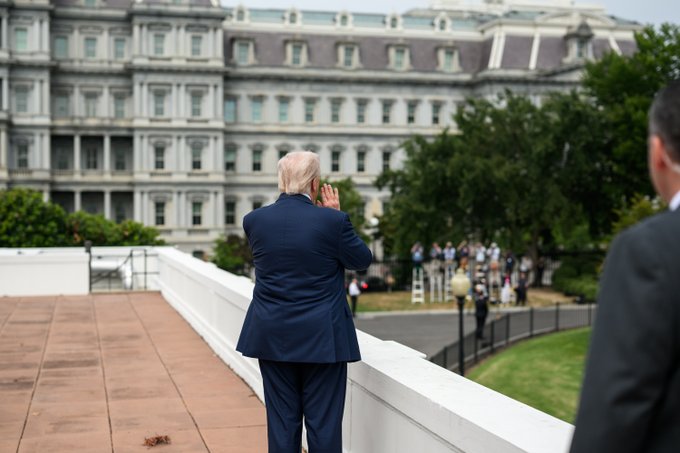
US President Donald Trump on the roof of his Oval Office on Tuesday! (Image The White House)
A US Justice Department release, selective redactions, and sudden takedowns have ignited a global storm over whether the Epstein files are being revealed—or carefully controlled.
By TRH World Desk
New Delhi, December 22, 2025 — The US Department of Justice’s newly released Fact Sheet on the Epstein Files was meant to project closure, courage, and transparency. Instead, it has detonated a fresh controversy—one not just about Jeffrey Epstein’s crimes, but about who controls truth, timing, and narrative in America’s justice system.
According to the DOJ, thousands of pages of documents, photographs, and materials linked to Epstein are being released following the lifting of court seals under the Epstein Transparency Act. The fact sheet repeatedly underscores that no redactions are being made to protect “famous individuals or politically exposed persons,” a line clearly aimed at public suspicion. Yet almost immediately after some materials were made public, parts were quietly removed again—citing fresh victim claims and legal caution.
This sequence—release, outrage, removal, review—has stoked allegations of a “managed release”: a calibrated disclosure designed to appear transparent while retaining institutional control over the most sensitive details.
Why ‘Managed Disclosure’ Is Raging Now
The Epstein case has long symbolized elite impunity. Despite mounting evidence of trafficking, powerful associations, and prior plea deals, Epstein died in custody without a full public accounting. Years of sealed records only deepened distrust. When courts, under successive administrations, declined to unseal files, the public narrative hardened: the system protects itself.
Now, with the DOJ asserting that more than 200 lawyers are working “around the clock” to vet each page, critics argue that the pace and selectivity of disclosure risk repeating the same mistake—substituting process for accountability. Transparency delayed, they argue, is transparency denied.
The DOJ insists redactions are strictly legal, limited to protecting victims and minors. That may be true. But optics matter. When photos vanish after release and explanations follow outrage rather than precede it, public confidence erodes.
This is not merely about Epstein. It is about whether democratic institutions can confront elite wrongdoing without scripting the outcome. A justice system that drip-feeds truth while asking for trust faces an impossible paradox.
The Epstein files may yet reveal damning truths. But unless disclosure is clear, consistent, and final, the controversy will only grow louder—and the suspicion deeper.
The Epstein Files Trap: Why Partial Leaks Are Stoking Distrust
Follow The Raisina Hills on WhatsApp, Instagram, YouTube, Facebook, and LinkedIn




About The Author