


By MANISH ANAND
The proposed takeover of Delhi Gymkhana Club is more than a property dispute. It revives a deeper conversation around Narendra Modi’s politics of dismantling symbols associated with Lutyens’ Delhi, elite privilege and colonial inheritance.
New Delhi, May 23, 2026 — Delhi’s Gymkhana Club is a nestle of greenery. A stay for an hour amid thick foliage may even revitalize visitors. A British-era legacy hide for Delhi’s powerful elite is at a stone’s throw from Prime Minister’s residence. For decades, a membership at Delhi’s Gymkhana Club carried the authority of being India’s super elite.
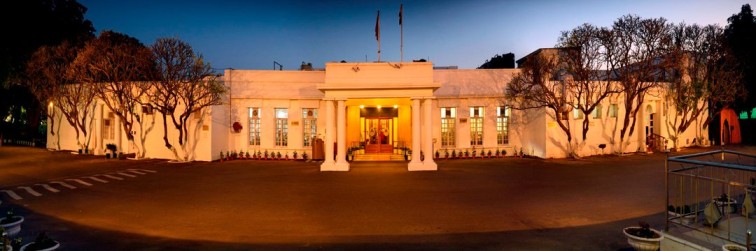
Structures inside the 27.3 acres plot are few. They are one-story with white exteriors. Insides of the structures offer nostalgia of Delhi of the bygone era. High ceilings. Narrow veranda. Thick walls. The Lutyens’ signature is vivid at Delhi Gymkhana Club.
The demand for membership for decades has been growing. The waiting list had been lengthening. The elders from bureaucracy maintain firm grip. The new age bureaucrats have to console their esteems from the Officers’ Club in Chanakyapuri, which is equally sprawling and privileged address. The amenities are no less in grandeur than Delhi’s Gymkhana Club. But old is gold, as is the saying, makes Delhi’s Gymkhana Club membership a test of status for Indian elites.
Launched in 1913 by the Britishers to offer an exclusive and privileged set up for their officers, the estate at Delhi Gymkhana Club still has royalty written on its walls. Bureaucrats manage to launch their books from the venue. The members hold their meetings. They spend evenings without the disturbance of din and bustle of Delhi.
Unlike India International Centre, the visitors at Delhi Gymkhana Club don’t have to fret about parking issue. There is plenty of space to park luxury cars. Peacocks keep company of the metal beauties.
Prime Minister Narendra Modi arrived in New Delhi in 2014 with narrative riding on his name that he would dismantle Lutyens’ legacy, which is seen negatively. The culture of elites and the ease of brokers running through the power corridors. In substance, Modi’s achievements in dismantling the legacy as suggested in the narrative may be questionable. But he’s seen dismantling the symbols.
The bust of Lutyens from the South Block has been removed. The canopy at the India Gate now has the statue of Netaji Subhash Chandra Bose. Rajpath, suggesting royalty, has been renamed as Kartavya Path. The Central Vista project, once completed, will finally take out the Central government out of the British-era buildings.
In 1913, South Delhi may have been a green zone, full of semi-forest areas. In 2026, South Delhi is transformed into a concrete jungle. The people live in match-box style flats. They will not shed tears for elder elites losing privileged estate at Delhi Gymkhana Club.
Centre to Take Over Delhi Gymkhana Club, Reviving Old Battle
Follow The Raisina Hills on WhatsApp, Instagram, YouTube, Facebook, and LinkedIn




