


Congress cites biodiversity risks, tribal rights violations and transparency gaps in Centre’s island development plan
By TRH Political Desk
New Delhi, May 3, 2026 — The Indian National Congress on Sunday intensified its attack on the Centre over the Great Nicobar Island Development Project, with senior leader Jairam Ramesh alleging “serious ecological, tribal and transparency concerns” that remain unaddressed.
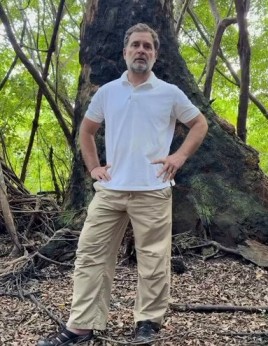
Ramesh said the government’s recent press note, issued after Rahul Gandhi’s visit to the island on April 28, was an attempt at “damage control” and failed to respond to long-standing objections raised by environmentalists, scientists and local communities.
Highlighting ecological risks, the Congress leader described Great Nicobar as a “globally unique biodiversity hotspot,” noting that nearly 50 new species have been discovered there in the past five years. He flagged concerns over proposed construction at Galathea Bay, calling it an ecologically sensitive zone and a key nesting habitat for the endangered leatherback turtle.
Ramesh also questioned the environmental clearance process, alleging “conflicts of interest” involving institutions like the Wildlife Institute of India and Zoological Survey of India. He further criticised compensatory afforestation plans in Haryana as “ecologically illiterate,” arguing that ancient island ecosystems cannot be replicated elsewhere.
On tribal rights, the Congress pointed to objections from the Nicobarese community and raised concerns about the impact on the Shompen, a Particularly Vulnerable Tribal Group. Ramesh questioned how “informed consent” was obtained, given the community’s limited external contact.
The party also flagged feasibility concerns, citing projections of handling 10 million passengers annually at the proposed airport as “unrealistic” compared to current traffic at Port Blair. Questions were also raised about water availability and the financial viability of the transshipment port.
Accusing the government of opacity, Ramesh said key reports and environmental data had been withheld, even under RTI requests, often citing national security.
He also echoed concerns raised by former Navy chief Arun Prakash, arguing that strategic considerations should not be used to justify large-scale commercial development.
FAQs: Great Nicobar Island Development Project
1. What is the Great Nicobar Island Development Project?
It is a mega infrastructure plan by the Indian government that includes a transshipment port, international airport, power plant, and township aimed at boosting trade and strategic presence.
2. Why is the project controversial?
Critics, including the Indian National Congress, cite risks to biodiversity, displacement of tribal communities, lack of transparency, and questionable environmental clearances.
3. What ecological concerns have been raised?
Experts say the project threatens a unique ecosystem rich in biodiversity, including newly discovered species and critical habitats like Galathea Bay, a nesting site for leatherback turtles.
4. What are the concerns related to tribal communities?
The Nicobarese community has raised objections, while concerns remain about the impact on the Shompen tribe, a Particularly Vulnerable Tribal Group with limited outside contact.
5. What did Jairam Ramesh allege?
Jairam Ramesh accused the government of ignoring ecological risks, bypassing proper consultation, and lacking transparency in approvals.
6. What is the government’s position?
The government maintains that the project follows environmental regulations and will boost economic growth, tourism, and national security.
7. Why is Galathea Bay significant?
It is considered an ecologically sensitive area with coral colonies and is one of the most important nesting sites for leatherback turtles in the region.
8. Are there concerns about the project’s feasibility?
Yes. Critics question passenger projections, water availability, and whether the port can compete with established hubs like Singapore or Colombo.
9. What transparency issues have been raised?
Opposition leaders allege that key reports, environmental data, and committee findings have not been made public, even under RTI requests.
10. What happens next?
The project remains under scrutiny, with calls for wider debate, environmental review, and parliamentary discussion before further implementation.
Follow The Raisina Hills on WhatsApp, Instagram, YouTube, Facebook, and LinkedIn




