Coal’s Record Year and the Myth of ‘Peak Demand’
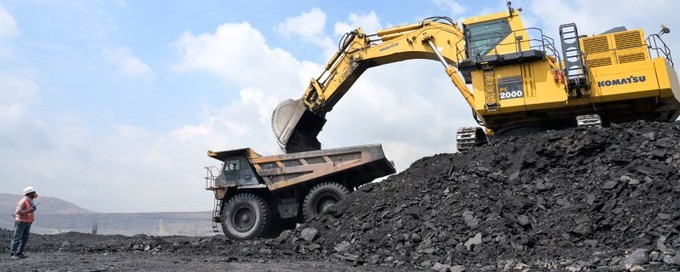
Coal mining in India! (Image Coal Ministry)
The IEA says coal has peaked again—but rising US power burn and China’s coal-to-chemicals boom tell a far more inconvenient story.
By S JHA
Mumbai, December 17, 2025 — Global coal demand rose to a fresh all-time high in 2025, according to the International Energy Agency (IEA), delivering yet another blow to the long-running narrative that the world is on the verge of turning the page on its dirtiest fuel.
The IEA now estimates that global coal consumption reached 8,845 million tonnes in 2025, up 0.5% from 2024, after revising its historical data higher. That revision matters. It confirms what energy markets have been signalling for years: coal’s decline has been repeatedly announced, but never convincingly delivered.
What makes the 2025 surge especially uncomfortable is where the growth came from. The bulk of the increase was driven not by emerging economies, but by the United States, where coal-fired power generation rebounded sharply as utilities responded to volatile gas prices, grid reliability concerns, and rising electricity demand. For a country that presents itself as a climate leader, coal’s resurgence in the US power mix is politically awkward and strategically revealing.
China, meanwhile, did what China almost always does in global energy statistics: it dominated the numbers. Chinese coal demand edged up to yet another record, even as consumption fell or stagnated in parts of Europe and advanced Asia. The driver was not old-fashioned power generation alone, but China’s rapidly expanding coal-to-chemicals industry, which has quietly become one of the world’s most important—and least discussed—sources of coal demand. Efficiency gains and renewable growth elsewhere were simply not enough to offset this structural shift.
The IEA predicts that 2025 will likely mark the year of peak global coal demand, with consumption plateauing thereafter. It is a familiar refrain. The agency has called peak coal several times before, and each time reality has proved more stubborn than forecasts. Coal demand has a habit of rising just when policymakers believe it has been tamed.
The data underscore a deeper truth about the energy transition: it is not linear, and it is certainly not orderly. When electricity demand surges, when gas markets tighten, or when industrial policy favours domestic feedstocks over imports, coal steps back into the breach. It remains abundant, cheap, and politically convenient—especially during periods of economic or geopolitical stress.
Europe’s experience illustrates the limits of moral leadership without energy security. Coal use there is falling sharply, but largely because demand has been offshored, not eliminated. Asia-Pacific consumption continues to dominate the global total, while North America’s 2025 rebound shows that even advanced economies fall back on coal when the system is under pressure.
Coal’s persistence does not mean climate goals are irrelevant—but it does mean they are far harder to achieve than official roadmaps suggest. The world is not choosing between coal and renewables in a vacuum. It is choosing between reliability and aspiration, between industrial competitiveness and decarbonisation timetables.
Follow The Raisina Hills on WhatsApp, Instagram, YouTube, Facebook, and LinkedIn




About The Author