Bangladesh’s Moment of Truth: When Mobs Challenge the State
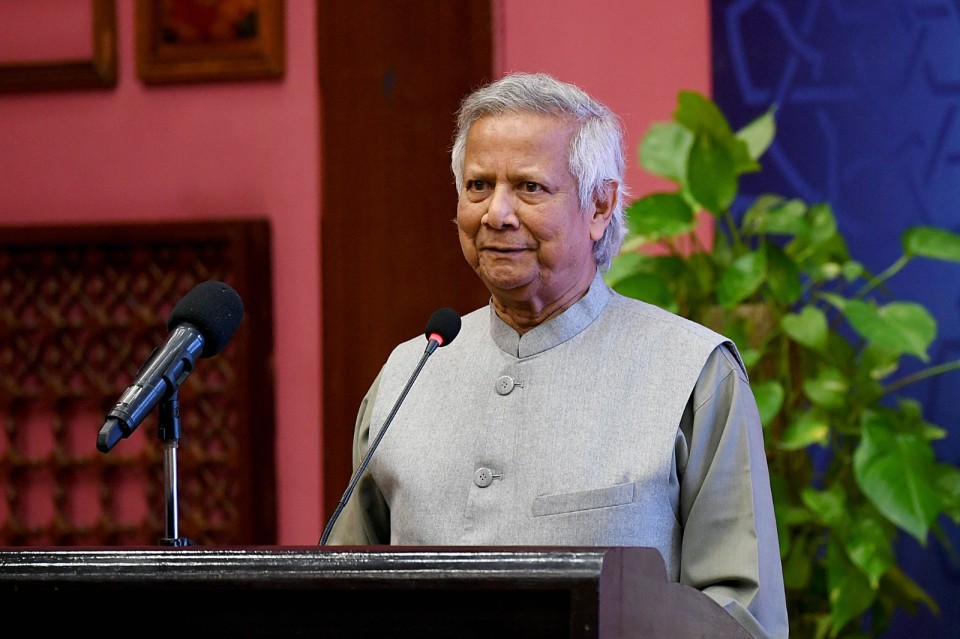
Chief Adviser Bangladesh Muhammad Yunus delivers a speech at Al-Azhar University, Cairo. Image credit @ChiefAdvisorGoB
As violence targets journalists, minorities, and democratic symbols, Bangladesh’s interim rulers face a defining test: restore authority—or risk surrendering the streets.
By TRH World Desk
New Delhi, December 19, 2025 — Bangladesh is standing at a dangerous crossroads, and the warning signs are no longer subtle. When newsrooms burn, mobs lynch minorities, and diplomatic missions become targets, the crisis is no longer about “law and order.” It is about whether the state still commands legitimacy on the street.
The Interim Government’s statement condemning mob violence is necessary—but necessity is no longer enough. In moments like this, words do not restore authority; action does.
The attacks on The Daily Star, Prothom Alo, and New Age were not random outbursts of anger. They were deliberate assaults on truth, aimed at silencing institutions that document chaos rather than manufacture it. When journalists are terrorised for hours while mobs torch buildings, the message sent is unmistakable: power now belongs to those who shout the loudest and burn the fastest.
Equally chilling is the lynching of a Hindu man in Mymensingh. This was not collateral violence; it was targeted brutality. Bangladesh’s promise of pluralism cannot coexist with mob justice dressed up as political rage. A “new Bangladesh” cannot be built on old hatreds rebranded as revolutionary anger.
The Interim Government is right to call this a “critical moment” in the country’s democratic transition. But democratic transitions fail not only through coups—they fail when the state hesitates while non-state actors seize moral and physical space. Every unchecked mob becomes a referendum on state weakness.
Invoking the memory of Sharif Osman Hadi is risky. Death should not become a shield behind which violence is excused or rationalised. If Hadi symbolised democratic aspiration, then mobs attacking minorities and journalists are betraying—not honouring—his legacy.
The contradiction is glaring. Elections and a referendum are described as a “solemn national commitment,” yet the environment increasingly resembles intimidation politics rather than democratic mobilisation. Ballots cannot compete with bricks and petrol bombs. Democracy does not emerge organically from chaos; it must be protected aggressively by institutions willing to assert control.
Condemnation must now be followed by visible consequences: swift arrests, transparent prosecutions, and accountability that cuts across political loyalties. Anything less risks normalising mob power as a parallel authority—one that answers to no constitution, no court, and no conscience.
Bangladesh has faced turbulence before and survived. But history is unforgiving to transitions that confuse restraint with weakness. This is not merely a test of governance. It is a test of whether the republic still believes the law belongs on the streets—not the mob.
Bangladesh on the Brink: Media Faces Fury in Anti-India Protests
Follow The Raisina Hills on WhatsApp, Instagram, YouTube, Facebook, and LinkedIn




About The Author