Bangladesh’s Counterrevolution: Toppling Hasina Delivered Chaos
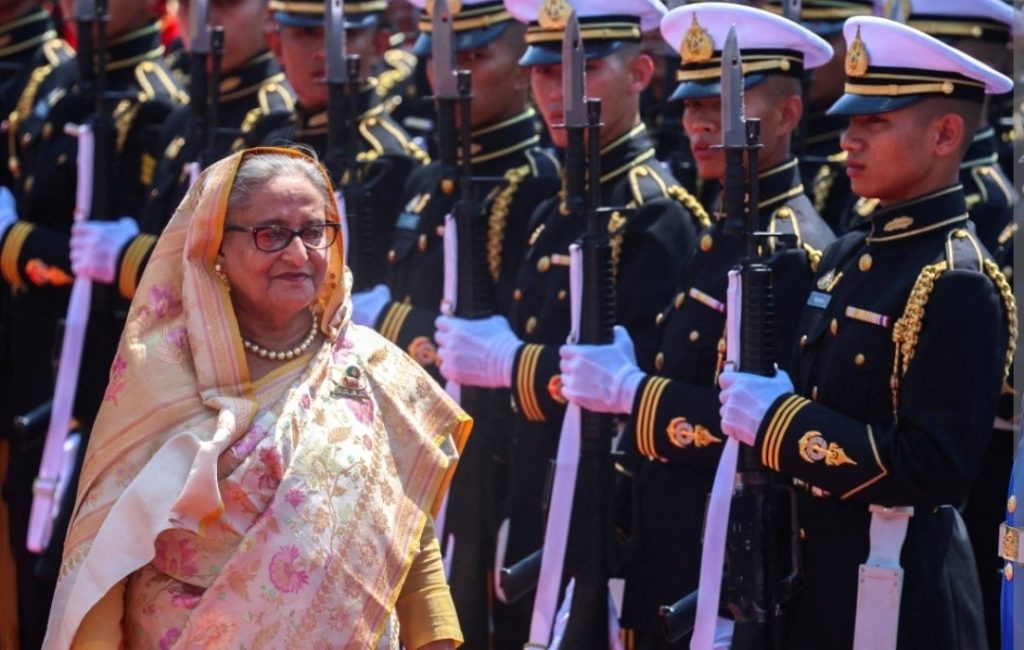
Image credit X.com
A deep-state miscalculation and Islamist street power have turned a fragile stabiliser into a cautionary tale
By NIRENDRA DEV
New Delhi, December 21, 2025 — When Sheikh Hasina was forced out in August 2024, Bangladesh was sold to the world as a democratic “reset.” By December 2025, the country stands exposed—not merely unstable, but fundamentally hollowed out. What Dhaka is living through today is not a revolution gone wrong; it is a counterrevolution by design, born of a dangerous synthesis between deep-state adventurism and Islamist street power.
Former Indian diplomat Nirupama Rao captures the tragedy succinctly: “A nation born from a fight against genocide is now normalising political erasure, street violence, and silence on minority persecution.” Hasina’s Western critics, Rao argues, judged Bangladesh as if it were Denmark with an electoral problem—ignoring its violent Islamist history, fragile institutions, and traumatised political culture.
Hasina was no revolutionary icon. She was something far more valuable: a stabiliser. She proved herself a state-builder in a hostile environment—containing Jamaat and its offshoots, maintaining civil–military balance, protecting minorities better than any realistic alternative, and keeping Bangladesh economically and geopolitically predictable. Her partnership with India, especially under Narendra Modi, acted as a regional anchor. That stabilising axis kept radical forces in check.
The West knew this. It simply chose to downplay it.
Instead, Western policymakers overestimated a “democratic opposition” that never truly existed. As Rao notes, removing pressure from Hasina did not empower liberals; it empowered radicals. History is unambiguous: in divided societies, power vacuums are not filled by moderates but by the loudest, angriest, and most organised forces—often religious, often violent.
That is precisely what followed. The Yunus-led interim regime focused not on governance but on optics, India-bashing, and a reckless courtship of Pakistan. Rule of law collapsed. Jamaat was rehabilitated. Ahmadiyas, minorities, and Awami League supporters were erased from concern. First the Chhatra League was banned, then the Awami League itself. A farcical “kangaroo court” pursued Sheikh Hasina, imagining that vengeance would pass for legitimacy.
It didn’t.
What Bangladesh inherited was not freedom, but fear. Not pluralism, but persecution. As Rao warns, counterrevolutions promise purity and deliver instability, blood, and silence. If this is what “victory” looks like, Bangladesh has already lost.
Shooting the Messenger: Bangladesh Media and Its Forgotten Sins
Follow The Raisina Hills on WhatsApp, Instagram, YouTube, Facebook, and LinkedIn




About The Author