Bangladesh Now at the Center of a Strategic Tug-of-War
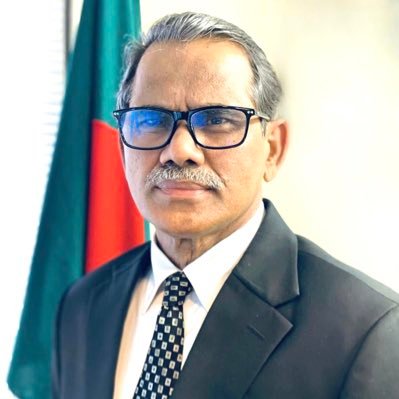
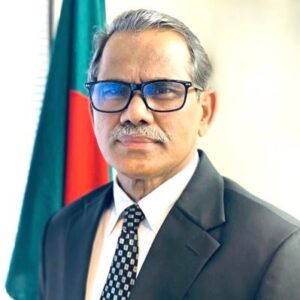
Bangladesh Foreign Minister Khalilur Rahman (Image X.com)
India China Bangladesh diplomacy intensifies as New Delhi and Beijing court Dhaka’s new leadership
By NIRENDRA DEV
New Delhi, February 23, 2026 — In a striking display of geopolitical signalling, both India and China have invited Bangladesh Foreign Minister Khalilur Rahman for official visits — underscoring Dhaka’s renewed centrality in South Asian diplomacy following the Bangladesh Nationalist Party’s sweeping electoral victory.
The parallel invitations — delivered in separate meetings in Dhaka — reflect intensifying India China Bangladesh diplomacy as the region recalibrates after Prime Minister Tarique Rahman assumed office on February 17.
India Moves First
India’s High Commissioner to Bangladesh, Pranay Verma, extended an invitation on behalf of External Affairs Minister S. Jaishankar for Khalilur Rahman to visit New Delhi at an early date.
New Delhi signalled readiness to work closely with the new government to deepen bilateral cooperation across trade, connectivity, and security sectors. The outreach suggests India is keen to stabilise and strengthen ties amid shifting regional equations.
China Signals Strong Backing
Almost simultaneously, Chinese Ambassador Yao Wen conveyed an invitation from Beijing for Khalilur Rahman to undertake an official visit at a mutually convenient time. Beijing also reiterated firm support for Prime Minister Tarique Rahman’s “Bangladesh First” policy and pledged closer coordination to deepen the Bangladesh–China Comprehensive Strategic Cooperative Partnership.
Khalilur, for his part, emphasised the importance of advancing bilateral ties and urged enhanced Chinese engagement to facilitate the early repatriation of Rohingyas — a sensitive issue with regional implications.
Trump Enters the Frame
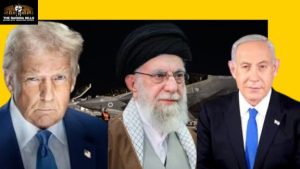
Adding another layer to the evolving diplomatic matrix, US President Donald Trump congratulated Prime Minister Tarique Rahman on his “historic election” victory.
In a letter, Trump wrote: “On behalf of the American people, I congratulate you on your historic election and wish you a successful term as Prime Minister of the People’s Republic of Bangladesh.”
He expressed hope that Dhaka would move decisively to complete routine defence agreements, granting Bangladesh’s military access to high-end American-made equipment.
Trump also signalled eagerness to expand bilateral trade and defence cooperation, reinforcing Washington’s strategic interest in Bangladesh.
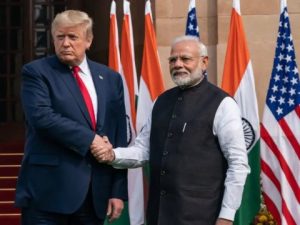
Bangladesh now finds itself at the intersection of three major powers: India — seeking strategic stability in its immediate neighbourhood; China — consolidating infrastructure and economic influence; and United States — expanding defence and trade engagement
The speed and symbolism of the diplomatic outreach suggest Dhaka’s post-election transition has triggered a recalibration across capitals.For Prime Minister Tarique Rahman and Foreign Minister Khalilur Rahman, balancing these competing interests without alienating any major partner will define Bangladesh’s foreign policy trajectory in the coming years.
The coming weeks — particularly the scheduling of these visits — could determine whether Dhaka leans toward multi-vector balancing or deeper strategic alignment.
India on Diplomatic Tightrope After Bangladesh Election Verdict
Follow The Raisina Hills on WhatsApp, Instagram, YouTube, Facebook, and LinkedIn




About The Author