Bangladesh Crisis as Ballot Fuel Stirs Himanta Biswa Sarma Plank
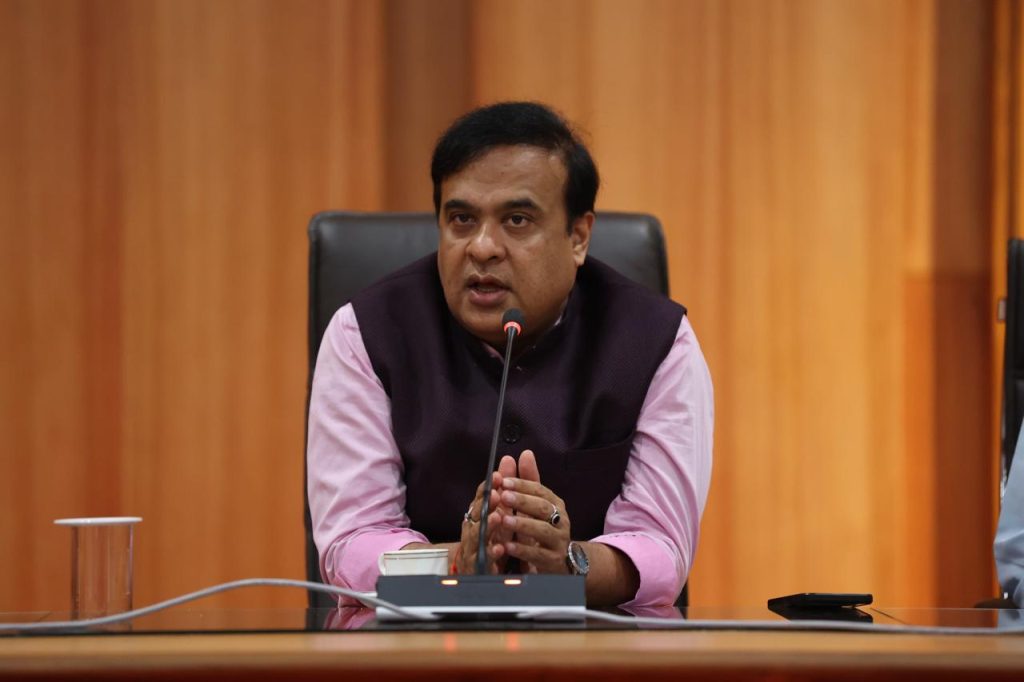
Image credit X.com @himantaBiswa
Calling every election a “civilisational fight,” Assam CM Himanta Biswa Sarma reframes the Bangladesh crisis as an existential warning—reshaping Assam’s poll battle and sending ripples across eastern India
By NIRENDRA DEV
New Delhi, December 30, 2025 — What once would have been dismissed as polarising rhetoric is now central to Assam’s pre-poll discourse. Assam Chief Minister Himanta Biswa Sarma has unapologetically recast the upcoming Assembly election as a “civilisational battle.” He’s drawing directly from the unfolding crisis in Bangladesh to sharpen his political messaging.
“For us, every election is a civilisational fight,” Sarma declared at the BJP Assam State Executive Meeting—words that signal not just campaign strategy but a carefully calibrated ideological pivot.
Invoking unrest across the border and the killing of Hindu youth Dipu Chandra Das in Bangladesh, Sarma posed a stark question: “Is the nation bigger, or is religion bigger?”
His answer was unambiguous. “Religion is bigger to them… Our Hindu civilisation embraces everyone,” he said.
In doing so, Sarma revived the long-simmering debate over Assam’s demographic future and the perceived existential anxiety of Assamese identity, a theme that has historically delivered electoral dividends in the state. The timing—months before elections due in Assam, West Bengal, Tamil Nadu, and Kerala—makes the intervention anything but accidental.
Until recently, Sarma was on the defensive. Despite Assam’s wealth in oil, coal, and tea, unemployment remains high. Earlier attempts to reset the narrative included reopening old Congress-era files, raising tribal quota issues, and revisiting uncomfortable chapters like the Nelly massacre. None fully shifted the momentum.
The Bangladesh crisis has.
By linking cross-border instability with Assam’s internal demographic shifts, Sarma is attempting what many see as a “political masterstroke”—turning an external geopolitical crisis into a domestic electoral accelerant. His warning that Bangladeshi-origin “Miya” Muslims could approach 40 per cent of Assam’s population by the next census is designed to alarm, mobilise, and consolidate.
“There are two civilisations before us,” Sarma argued, adding that “one is a 5,000-year-old Sanatan civilisation—inclusive, accepting. The other grew due to Congress appeasement.”
The message plays well with BJP’s core base—and potentially beyond it. Notably, Sarma also hinted that this narrative should travel westward. If the strategy succeeds in Assam, it could be deployed to disrupt Trinamool Congress’s hold in West Bengal, forcing Chief Minister Mamata Banerjee once again to publicly assert her Hindu credentials, as she did in desperation during the 2021 campaign.
The presence of BJP national leaders—Baijayant Jay Panda, B.L. Santhosh, and Nitin Nabin—underscored the broader significance of Sarma’s line. Nabin’s attendance carried added weight amid recent tensions between Karbi tribals and Bihari Hindus in Karbi Anglong, a fault line Sarma sought to defuse by calling for unity among Hindus.
Critics call it fear politics. Supporters call it realism.
Either way, Himanta Biswa Sarma has seized the Bangladesh crisis as a God-sent political opportunity, reframing development versus identity as a false binary. For him, both now march together—towards an election he has already defined as civilisational.
Whether this rhetoric delivers another sweeping mandate—or provokes a backlash—will shape not just Assam’s future, but the BJP’s eastern India playbook.
(This is an opinion piece. Views are personal.)
Why Assam’s Fiscal Mirror Has Cracked And What Holds for India
Follow The Raisina Hills on WhatsApp, Instagram, YouTube, Facebook, and LinkedIn




About The Author