Assam Paradox: 1.7 Lakh Foreigners but Only 467 Deported
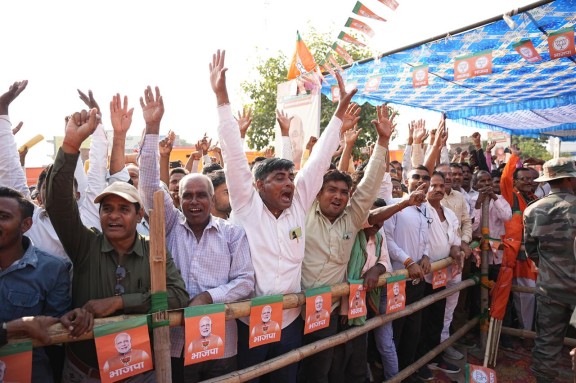
Image credit X.com @himantabiswa
Illegal immigration in Assam remains a political flashpoint as tribunal verdicts pile up but deportations barely move.
By NIRENDRA DEV
Badarpur (Assam), January 30, 2026 — Only 467 out of nearly 1.7 lakh people declared illegal foreigners have been repatriated from Assam so far. The figure, disclosed by Governor Lakshman Prasad Acharya in his Republic Day address, captures in one stark statistic why the foreigners’ issue remains Assam’s most sensitive and politically combustible question.
Since the inception of Foreigners Tribunals, Assam has referred around 4.35 lakh suspected nationality cases up to October 31 last year. Over 3.5 lakh cases have been disposed of, with close to 1.7 lakh individuals declared illegal foreigners. Yet deportation has moved at a glacial pace. The gap between identification and removal underlines the administrative, diplomatic and political paralysis surrounding illegal immigration in Assam.
The roots of the problem go back to the 1970s, following Bangladesh’s independence, when large-scale migration into Assam altered the state’s demographic and political landscape. The All Assam Students’ Union’s mass movement turned the issue into a defining axis of state politics—one that never truly left the electoral arena.
Security arrangements have since tightened. Assam now has 14 border outposts and 14 patrol posts working with the BSF and local police across districts like Dhubri, South Salmara, Cachar and Sribhumi. Officials describe this as a stronger “second line of defence” against infiltration and cross-border crime. But numbers show that enforcement alone cannot resolve a problem enmeshed in law, diplomacy and domestic politics.
As Assam heads towards another Assembly election—alongside West Bengal, Tamil Nadu and Kerala—the foreigners’ issue is once again poised to dominate campaigns. History suggests why. In the 1990s, then Assam Chief Minister Hiteswar Saikia denied any significant Bangladeshi presence, even as political leaders elsewhere sounded alarms. In 2005, both the Centre and Assam government, then under Congress rule, defended the controversial IMDT Act before the Supreme Court, drawing sharp criticism.
Political positions have shifted with time. Trinamool Congress leader Mamata Banerjee, now a vocal critic of the NRC, once warned in Parliament that infiltration in Bengal had become “a disaster”. Demographic data has only added fuel: between 1971 and 1991, Assam’s Hindu population declined while the Muslim population rose sharply; by 2011, nine districts had Muslim majorities, many near the Bangladesh border.
The reality is uncomfortable. Assam has become efficient at declaring foreigners but ineffective at sending them back. Until New Delhi aligns legal processes, border management and diplomatic engagement with Bangladesh, illegal immigration in Assam will remain less a solved problem than a recurring political storm.
(This is an opinion piece. Views expressed are author’s own.)
Follow The Raisina Hills on WhatsApp, Instagram, YouTube, Facebook, and LinkedIn




About The Author