Aizawl 1966: India’s Air Raid and the Pilot Who Walked Away
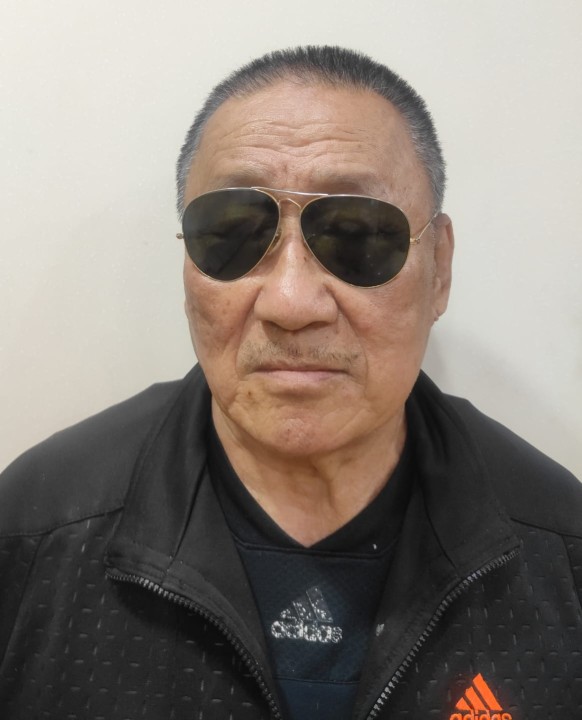
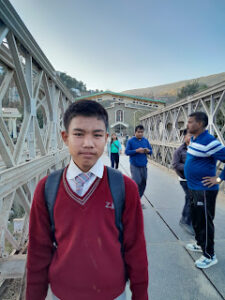
Former Indian Air Force Pilot J. Lalhmingliana (Image Nirendra Dev)
Sixty years after the Indian Air Force bombed Aizawl, a forgotten personal story reveals how state violence reshaped lives—and loyalties—in the Northeast
By NIRENDRA DEV
Aizwal, January 26, 2026 — On March 5, 1966, Indian Air Force aircraft bombed Aizawl—the intellectual and administrative heart of the Mizo people. It remains the only recorded instance in independent India when air power was used against its own citizens. For Mizoram, the date is not just history; it is memory—passed down in silences, scars, and stories of lives quietly altered by decisions taken far away in Delhi.
Nearly eight months later, on October 29, 1966, a young Mizo man named J. Lalhmingliana was commissioned into the Indian Air Force. Like many young Indians of the era, he was captivated by the romance of supersonic flight. Fighter jets symbolised speed, modernity, and national pride. Lalhmingliana worked relentlessly and earned a place among the elite fighter stream, ranking 11th in merit.
But history had other plans.
When news of his selection reached Aizawl, his father—J. Thangkhama, an elderly shopkeeper—was shaken. He could not reconcile the idea that his son might one day fly the very machines that had bombed his town. The air raids, intended to suppress the Mizo National Front uprising, had instead deepened alienation and radicalised ordinary people across the Lushai Hills.
Thangkhama wrote an emotional letter to his son, addressing him tenderly as “Ka fapa dhutak”—my dear son. The message was firm, almost military in tone. If flying fighter jets meant bombing towns like Aizawl, he wrote, then it was not a job worth doing. This was not a request. It was an order.
The letter reached Lalhmingliana in Jodhpur nearly 45 days later. Faced with an impossible choice between personal ambition and filial duty, he chose conscience. He requested a transfer out of the fighter stream and joined the Transport Flight section instead. His superiors were surprised; his dream was over.
Decades later, at 81, Lalhmingliana looks back without bitterness. Though he never flew faster than sound, he flew Prime Ministers—V.P. Singh, Rajiv Gandhi—and served at the highest levels of VVIP aviation. Professionally, he succeeded. Personally, a dream was sacrificed at the altar of history.
The Aizawl bombing redefined insurgency in the Northeast. As Mizo historian Prof. J.V. Hluna notes, it hardened resistance and reshaped political consciousness. Remarkably, at the time of the air raids, the Mizo National Army had not even been formally banned. Indira Gandhi had been Prime Minister for barely 40 days.
In Aizawl today, many still say this: insurgencies rose across India, but only the Mizos were bombed by their own government. Lalhmingliana’s story reminds us that beyond policy and power, history leaves its deepest mark on ordinary lives—forcing choices no young citizen should ever have to make.
Mark Tully: The BBC’s ‘Voice of India’ and a Journalism Icon
Follow The Raisina Hills on WhatsApp, Instagram, YouTube, Facebook, and LinkedIn




About The Author