After Modi: Reuters Flags Four Likely Power Contenders

PM Narendra Modi with RSS chief Mohan Bhagwat in Ayodhya. (Image BJP on X)
As Narendra Modi enters the midpoint of his third term, Reuters identifies the names—inside and outside the BJP—that could shape India’s post-Modi era
By AMIT KUMAR
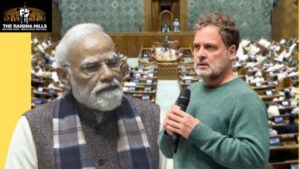
New Delhi, December 20, 2025 — In 2026, Prime Minister Narendra Modi will cross the halfway mark of his third five-year term—an inflection point that has prompted Reuters to ask a question India’s political class rarely discusses openly: who comes after Modi?
The next general election is due only in 2029, and Modi, who will turn 79 that year, could theoretically seek a fourth term. But Reuters notes that such an outcome appears increasingly unlikely, especially after the BJP’s less-than-dominant performance in the 2024 election. Succession, once taboo, is now a strategic necessity.
Reuters outlines four broad possibilities. The first lies within the BJP itself. Home Minister Amit Shah, Modi’s closest political confidant and organisational enforcer, remains the most obvious internal contender. Another is Maharashtra Chief Minister Devendra Fadnavis, whose role in revamping Mumbai’s infrastructure has raised his national profile and positioned him as a governance-first face of the party.
The second scenario involves a trusted ally outside the BJP. Andhra Pradesh Chief Minister N. Chandrababu Naidu—and potentially his son, Nara Lokesh—emerges as a key regional power broker. Reuters highlights the Telugu Desam Party’s aggressive investment push, including a reported $15 billion data centre project involving Google, as a signal of Naidu’s renewed relevance in national politics.
A third path runs through the opposition. Reuters points to Congress leader Rahul Gandhi, whose political stock could rise with time, and his sister Priyanka Gandhi, whose charisma and mass appeal make her a potential dark horse in a future leadership reset.
The larger takeaway, Reuters argues, is sobering: whoever succeeds Modi is likely to be a weaker leader, lacking his personal authority and electoral dominance. That could mean future governments relying more heavily on welfare spending and state handouts to sustain popularity—posing long-term risks to India’s fiscal health.
Succession talk may still be hushed, but as 2026 approaches, the question of “After Modi” is no longer premature—it is inevitable.
Follow The Raisina Hills on WhatsApp, Instagram, YouTube, Facebook, and LinkedIn




About The Author