Japan’s ‘Iron Lady’ Moment: Sanae Takaichi Landslide and China
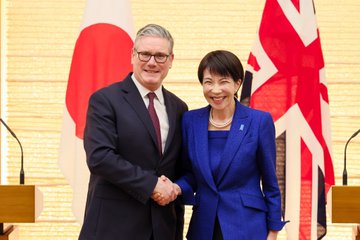
Japan PM Sanai Takaichi with UK PM Keir Starmer in Tokyo (Image Japan PM on X)
With youth-driven turnout and a hard mandate on defence, Tokyo now faces its toughest diplomatic tightrope with Beijing
By TRH World Desk
New Delhi, February 10, 2026 — Japan’s politics rarely produce political earthquakes. Sanae Takaichi’s landslide election victory, however, is exactly that—and its aftershocks will be felt well beyond Tokyo, particularly in Japan’s already strained relationship with China.
As broadcaster Jono Hayes told Al Arabiya English, Takaichi entered the election with unusual clarity about what voters—especially younger ones—wanted: economic competence first, defence strength second, and strategic clarity toward China. She delivered on the message, and voters responded in unprecedented numbers.
Turnout surged to nearly 56%, a striking jump in a country where voter participation often struggles to cross 40%. That spike alone signals a political reset. Takaichi did what few Japanese leaders manage—she made politics visible, personal, and urgent for a generation squeezed by cost-of-living pressures, stagnant wages, and rising geopolitical anxiety.
Dubbed “Japan’s Margaret Thatcher,” Takaichi now carries a formidable mandate. Her assertive stance on territorial waters, defence posture, and military preparedness resonated strongly with younger voters, who increasingly view China not just as an economic partner but as a strategic challenge. Higher defence spending—once politically sensitive—has now become electorally rewarding.
Yet this is where the real test begins.
Japan’s older voters, financial markets, and corporate sector crave long-term stability, not confrontation. Pension stress, demographic decline, and export dependence make open diplomatic friction with Beijing a high-risk gamble. Takaichi must now prove she can be tough without being reckless—strong on deterrence while steady on diplomacy.
Hayes puts it bluntly: this is a tightrope walk. Japan must reassure its citizens and allies that it is secure against coercion, without triggering economic retaliation or regional escalation. Few leaders have managed that balance. Takaichi believes she can.
Her victory suggests Japan is ready to try something different. Whether this Takaichi China policy shift stabilises the region—or sharpens fault lines—will define East Asian geopolitics in the years ahead.
Takaichi Doctrine vs China: Why Deterrence Must Return for Japan
Follow The Raisina Hills on WhatsApp, Instagram, YouTube, Facebook, and LinkedIn




About The Author