


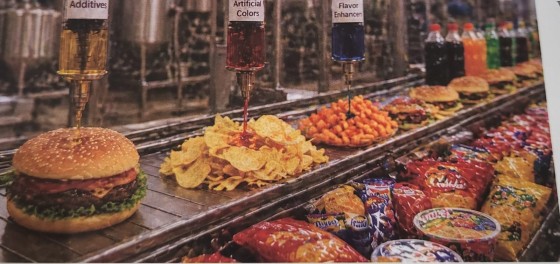


Ultra-processed foods are rapidly reshaping India’s dietary landscape, raising concerns over obesity, diabetes and child health.
In recent decades, as our kitchens have shifted out of our homes, there has been a dramatic global dietary transition. Traditional meals based on whole grains, legumes, vegetables, fruits, and local foods are increasingly being replaced by ready-to-eat and ready-to-cook packaged products called ultra-processed foods (UPFs).
UPFs are industrial formulations high in added sugar, salt, unhealthy fats, and artificial additives such as colours, preservatives, and flavour enhancers. They are essentially engineered products (not foods) designed for hyper-palatability, convenience, and long shelf life to maximize profits.
Scientific evidence now clearly links UPF consumption to a wide spectrum of adverse health outcomes, posing an urgent public health threat—especially to children and young people.
Common examples of UPFs include sugary drinks and sodas, packaged snacks (chips, biscuits), instant noodles, breakfast cereals, processed meats, confectionery, ready-to-eat or ready-to-cook meals, flavoured yogurts, and even many packaged breads.
Global Patterns of UPF Consumption
Detailed dietary surveys show that UPF consumption is now a major contributor to daily calorie intake in many high-income countries.
In the United States, about 55% of all daily calories consumed by individuals aged one year and above come from UPFs, with children and adolescents consuming nearly 62% of their energy from these products.
In the United Kingdom, analyses of national nutrition data indicate adolescents may get nearly two-thirds of their calories from ultra-processed products.
Globally, research indicates that UPFs now contribute a significant share of dietary energy in many parts of the world, with consumption rising steadily over the past few decades due to urbanisation, marketing, supply-chain changes, and lifestyle shifts.
India’s Ultra-Processed Food Landscape: Rapid Growth
India does not yet have nationally representative data on UPF consumption in terms of percentage of dietary energy. However, multiple national and international analyses point to explosive growth in the availability and consumption of these foods across the country, including remote rural areas.
Retail sales of UPFs in India increased nearly 40-fold between 2006 and 2019—from about USD 0.9 billion to almost USD 38 billion—reflecting intensified market penetration and changing food environments.
The Economic Survey 2025–26 noted that UPF sales have grown over 150% in the past 14 years, with aggressive marketing particularly targeting children and adolescents.
Regional dietary surveys show that in parts of North India, nearly 75% of people reported consuming UPFs on the previous day, with these foods contributing 13–17% of total energy intake among consumers.
Nutrition research also highlights a rising deficiency of nutrient-dense whole foods in Indian diets, alongside increased consumption of packaged snacks, ready meals, and sugar-sweetened beverages.
Health Harms of Ultra-Processed Foods: What Is the Evidence?
- Obesity and Metabolic Diseases
A comprehensive review involving nearly 9.9 million people associated higher UPF intake with 32 adverse health outcomes, including obesity, hypertension, heart disease, type 2 diabetes, chronic kidney disease, mental health disorders, and certain cancers.
The risk of weight gain and obesity rises with higher UPF consumption, contributing to the growing burden of non-communicable diseases (NCDs)—traditionally diseases of old age—which are now increasingly being seen in children.
Longitudinal studies in India indicate that up to 28.6% of adults have obesity, 11.4% have diabetes, and abdominal obesity affects nearly 40%, trends aligned with dietary shifts toward processed foods.
- Early Mortality and Chronic Disease Risk
International research found that every 10% increase in the proportion of UPFs in the diet was associated with a 3% higher risk of premature death before the age of 75.
High UPF consumption has also been linked to increased risks of cardiovascular disease, certain cancers such as lung cancer, metabolic syndrome, and all-cause mortality.
- Rapid Biological Impacts
A tightly controlled clinical feeding study documented that diets dominated by ultra-processed foods caused significant weight gain, worsened cardiometabolic health, hormonal imbalances, and altered biological markers within just three weeks, even when calorie intake matched minimally processed diets.
- Impacts on Children’s Health
Children and adolescents are particularly vulnerable.
A UNICEF-led analysis shows that for the first time in history, the number of obese children aged 5–19 years (around 188 million) exceeds the number of underweight children globally, with UPFs contributing significantly to this trend.
In India, childhood obesity prevalence increased from 2.1% to 3.4% between recent National Family Health Survey rounds, coinciding with dietary shifts toward packaged and UPF-rich foods.
UPFs are heavily marketed to younger populations through digital platforms, cartoons, celebrities, and price promotions, making them an entrenched part of children’s food environments.
The consequences extend beyond weight gain. Poor nutrition from UPFs affects cognitive development, immune function, metabolic regulation, and lifelong disease risk.
Why Do Ultra-Processed Foods Harm Health?
UPFs are uniquely harmful because they:
Are energy-dense but nutrient-poor, delivering high calories with low nutritional value.
Contain additives and chemical components that may disrupt metabolism, appetite regulation, gut microbiota, and systemic inflammation.
Encourage overconsumption through engineered hyper-palatability and weak satiety signals.
Displace whole and minimally processed foods that have traditionally formed the basis of healthy diets.
Evidence-Based Actions Needed
Policy and Regulatory Measures
Front-of-pack warning labels highlighting high sugar, salt, and unhealthy fat content. Higher taxes on sugar-sweetened and ultra-processed products. Subsidies and incentives for fruits, vegetables, pulses, and whole grains. Restrictions on advertising targeted at children. Banning the sale of UPFs in and around educational institutions.
(The author was part of the expert working group designated for the PIL filed by the Udai Pai Foundation in the Delhi High Court seeking a ban on junk food in and around schools, which resulted in a successful outcome.)
Public Health Systems
Integrate UPF reduction into primary care counselling, maternal and child health services, and school health programmes while strengthening nutrition education and dietary surveillance.
Revive traditional culinary practices through community cooking initiatives and improve access to minimally processed foods.
Prioritise whole foods, read labels carefully, and limit sugary drinks and packaged snacks—especially for children.
Ultra-processed foods have become a global and increasingly Indian epidemic, contributing to obesity, diabetes, cardiovascular disease, cancer risk, and poorer health outcomes—especially among children.
While prevalence remains highest in wealthy countries, the rapid spread of UPFs into India’s food landscape signals a mounting public health challenge.
Scientific evidence increasingly suggests that without decisive action across policy, health systems, communities, and households, the health and future of our children and society will continue to deteriorate.
The time to act is now—scientifically, collaboratively, and urgently.
We need to pledge: Let us treat UPFs as the new tobacco of society, avoid the trap of misleading advertisements, and protect ourselves and future generations.
Let us return to our kitchens, make time for cooking, teach culinary skills equally to sons and daughters, and rediscover the joy of healthy, home-made food.
(This is an opinion piece. Views expressed are the author’s own. The author is former head of the department of pediatrics at HIMSR, New Delhi.)
Follow The Raisina Hills on WhatsApp, Instagram, YouTube, Facebook, and LinkedIn




