


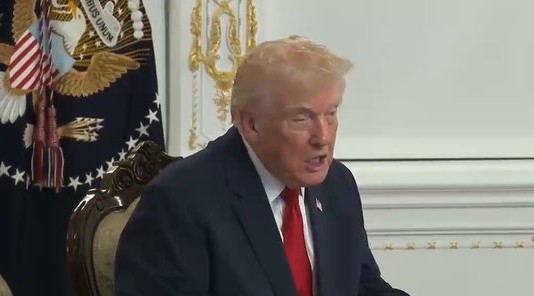
With the blockade still “in full force” and negotiations reportedly underway, the situation remains fluid.
By TRH World Desk
New Delhi, May 6, 2026 — A fresh statement from US President Donald Trump triggered sharp strategic criticism from foreign policy experts, with analyst Robert A. Pape declaring that the move effectively “buried Project Freedom” — Washington’s maritime posture in the Strait of Hormuz.
The post, which claims “tremendous military success” against Iran while simultaneously pausing “Project Freedom” — described as ensuring ship movement through Hormuz — suggests a tactical retreat framed as a diplomatic opening. Trump indicated that the pause would allow time to finalize a “complete and final agreement” with Iranian representatives, even as a blockade remains in place.
Pape’s critique underscores a deeper contradiction: the US appears to be stepping back from an assertive military posture just days after escalation. His remarks come amid reports of attacks on oil infrastructure in the United Arab Emirates, raising questions about the effectiveness of deterrence on “day one.”
“Trump is desperately bouncing from one extreme to another — a doom spiral of strategic failure,” Pape wrote, framing the shift as evidence of an “escalation trap,” where initial military actions trigger unintended consequences that force rapid recalibration.
Adding to the evolving narrative, US Secretary of State Marco Rubio offered a markedly defensive interpretation of American operations in the region. He clarified that US forces are “not attacking” Iran in the Strait of Hormuz and described current actions as purely reactive.
“There’s no shooting unless we’re shot at first,” Rubio said, emphasizing that the objective is to restore conditions “back to the way it was” prior to the February 28 launch of US military operations. The administration has since indicated a preference for a “path of peace,” effectively signalling the end of its initial offensive campaign.
From Offensive to Pause: What Changed?
The abrupt pivot—from military success rhetoric to operational pause—suggests pressure from multiple fronts:
Regional instability: Attacks on Gulf oil infrastructure have exposed vulnerabilities despite US presence.
Economic stakes: The Strait of Hormuz handles a significant portion of global oil shipments, making prolonged disruption costly.
Diplomatic pressure: Trump’s statement references requests from “Pakistan and other countries,” hinting at broader geopolitical mediation efforts.
Analysts remain divided on whether the pause in Project Freedom represents a calculated diplomatic maneuver or a forced retreat after strategic overreach. Critics argue that declaring victory while scaling back operations risks undermining credibility, especially if adversaries interpret the move as weakness.
Supporters, however, may view the pause as a pragmatic step toward de-escalation, particularly if it leads to a verifiable agreement with Iran.
With the blockade still “in full force” and negotiations reportedly underway, the situation remains fluid. The key question is whether this pause stabilizes the region—or confirms Pape’s warning of a policy caught in a cycle of escalation and retreat.
Pentagon Laughs at ‘Kamikaze Dolphin’ Claim, Leaves Doubt Open
Follow The Raisina Hills on WhatsApp, Instagram, YouTube, Facebook, and LinkedIn




