


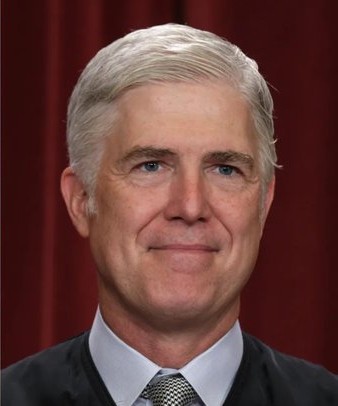
In the Trump tariff ruling, Supreme Court Justice Neil Gorsuch defends Congress’s power over tariffs, warning against executive overreach and calling the legislative process a “bulwark of liberty.”
By TRH World Desk
New Delhi, February 20, 2026 — In a sharply worded passage from the Trump tariff verdict, Supreme Court Justice Neil Gorsuch delivered a forceful defence of Congress’s constitutional authority over tariffs — and a pointed warning against executive shortcuts.
“For those who think it important for the Nation to impose more tariffs,” Gorsuch wrote, acknowledging that the Court’s decision would disappoint some, “most major decisions affecting the rights and responsibilities of the American people (including the duty to pay taxes and tariffs) are funneled through the legislative process for a reason.”
The opinion underscores a central constitutional principle: tariffs, like taxes, are not merely economic tools — they are exercises of core legislative power.
Gorsuch emphasized that lawmaking is intentionally slow and deliberative. “Yes, legislating can be hard and take time,” he noted. “And, yes, it can be tempting to bypass Congress when some pressing problem arises.” But, he added, that deliberation “was the whole point of its design.”
The justice framed the legislative process as a safeguard, not an obstacle. Through compromise and broad support, laws endure — giving citizens stability instead of policy swings “from day to day.”
His writing suggests the ruling is about more than tariffs. It signals a constitutional boundary: trade policy cannot rest solely on the will of one faction or one man.
Gorsuch concluded with a striking line that is already reverberating across legal and political circles — calling the legislative process “the bulwark of liberty.”
As debates intensify over executive authority in trade matters, the Supreme Court’s message appears clear: the Constitution’s structure matters — especially when economic power meets political urgency.
Follow The Raisina Hills on WhatsApp, Instagram, YouTube, Facebook, and LinkedIn




