


Dr Baijayanti Rout
The Vedanta-led Sijimali bauxite project has reignited debates over the Forest Rights Act, tribal consent, environmental governance, and constitutional protections in Odisha’s Fifth Schedule areas.
Bhubaneswar, July 15, 2026 — The Sijimali hills in the Kalahandi and Rayagada districts of Odisha have been at the center of conflict between the developmental state and the people’s right to forest land and a livelihood. They are rich in bauxite reserves and biodiversity, and they are at the edge of the eco-sensitive zone of the sanctuary.
On the lower reaches of the hills, a large group of indigenous people have been protesting the bauxite mining project of Vedanta Limited, one of the country’s largest mining companies, for several months. The Kandha and Paroja Scheduled Tribes and forest-dwelling Scheduled Castes, who have lived in this area since they can remember the memories of their earliest generations, fear the loss of their right to their homeland, which is the root cause of the ongoing protest in the Sijimali hills.
They are worried about being displaced, being destroyed, and losing their traditional rights to the forest land and its products. The mining operations will destroy the panichida-shuagad river, waterfalls and a hundred perennial streams in the mountain range.
The village communities depend on these streams for growing minor millets, rice, and vegetables. Not only do they rely on the Sijimali hills for their livelihood, but the hills in this area are also held in high regard in their culture. The local communities believe that the Tiji Raja worship site will be destroyed.
The ongoing conflict surrounding the Sijimali bauxite mining project in Odisha’s Rayagada and Kalahandi districts highlights these systemic issues. Developed by London-headquartered Vedanta Ltd (led by businessman Anil Agarwal), the project has sparked intense local resistance. Tensions escalated sharply in early April over the construction of a 2.98-kilometer greenfield road in the Kashipur tehsil of Rayagada, meant to link the mining site to State Highway 44. Local communities argued that the project directly violated their customary land and forest rights protected under the Forest Rights Act (FRA) of 2006.
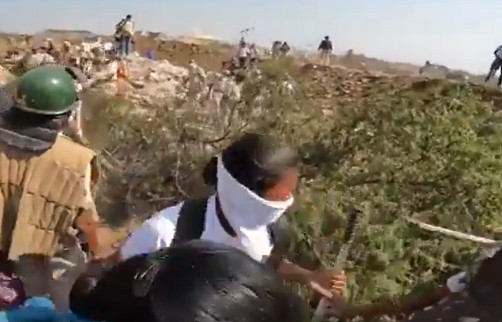
A group of residents challenged the legality of the road and the Union Government’s clearance in the National Green Tribunal (NGT). However, on April 7, tensions boiled over and the villagers claim that between 2:30 AM and 3:00 AM, a massive contingent of armed police launched a pre-dawn raid on Kantamal village to detain anti-road activists. The sudden operation resulted in clashes, leaving over 100 people injured. State authorities and local residents have offered vastly different accounts of the events leading up to and following the April 7 confrontation.
The Rayagada police targeted Suba Singh Majhi (34), president of the Maa Mati Mali Surakhya Mancha (Mother, Soil, and Farmer Protection Forum). Police officials assert that Majhi is named in 14 law-and-order FIRs and that a non-bailable warrant was issued against him by the Judicial Magistrate First Class in Kashipur back in August 2025. Majhi denies any prior knowledge of the 14 FIRs, stating that the non-bailable warrant was the first and only official communication he ever received, which he only discovered via a police press conference.
Majhi stated that the pre-dawn raid injured more than 50 villagers—predominantly elderly tribal women with at least three suffering critical injuries. Many avoided hospitals out of fear of being arrested. He rejected police claims that villagers initiated the attack, pointing out that the suddenness of the early-morning raid left locals with no time to coordinate any resistance.
Villagers also reported an atmosphere of intense police pressure leading up to the April clashes. On March 2(2026), non-bailable warrants were pasted on the homes of seven local individuals. Among them was Gobinda Naik (35), a bill collector for a private electricity company. Naik pointed out that his routine door-to-door visits to collect power bills were deliberately misinterpreted by police as attempts to organize anti-mining protests. He further alleged that on April 6, the day before the major clash, police chased him through difficult, mountainous terrain in an attempt to detain him.
The Sijimali project has raised critical questions regarding constitutional protections in Fifth Schedule areas, environmental governance, and the legal requirement of Free, Prior, and Informed Consent (FPIC). In March 2025, the Odisha High Court ordered the Union Government to resolve all pending forest rights claims of the affected tribal communities before allowing any forest land to be diverted for mining.
This ruling followed serious allegations that signatures from December 2023 Gram Sabha meetings across ten villages had been forged by project proponents to fake community consent. Although the district administrations of Rayagada and Kalahandi submitted consent certificates (dated January 18 and January 24, 2024, respectively) claiming the Gram Sabhas had agreed to the land diversion, the community has strongly disputed their legitimacy. They have petitioned the Forest Advisory Committee (FAC), arguing that both Vedanta and the Odisha government misrepresented local consent, and criticized the FAC for granting Stage-I forest clearance without verifying these complaints.
The project also intersects with the Orissa Scheduled Areas Transfer of Immovable Property (By Scheduled Tribes) Regulation, 1956, which strictly regulates or bans the transfer of tribal land to non-tribal entities in Fifth Schedule areas. Critics point out that the environmental impact assessment completely failed to evaluate whether the Sijimali project violates these protective land tenure and customary resource laws. Ultimately, the Sijimali dispute serves as a stark reminder that investment and industrial output alone cannot measure development. A truly democratic model must treat those who bear the environmental and social costs of industrial expansion as equal partners in decision-making.
(This is an opinion piece. Views expressed are the author’s own.)
Follow The Raisina Hills on WhatsApp, Instagram, YouTube, Facebook, and LinkedIn




