


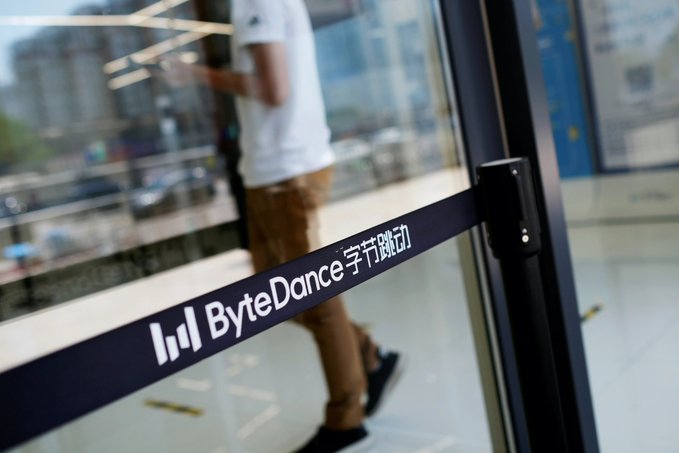
CBS Evening News reports ByteDance’s new AI video tool ignites industry fears over job losses and unauthorized use of likeness
By TRH Entertainment Desk
Mumbai, February 17, 2026 — A 15-second clip that appeared straight out of a big-budget Hollywood studio production has ignited fresh controversy in the entertainment industry. The viral video, featuring hyper-realistic, AI-generated versions of Tom Cruise and Brad Pitt locked in a choreographed fight scene, was not filmed by a studio — it was entirely generated by artificial intelligence.
According to CBS Evening News, the clip showcased sweeping camera movements, cinematic sound effects and a dramatic musical score — all created without actors, cameras or production crews.
The technology behind the viral video is SeaDance 2.0, a newly released AI video generator developed by ByteDance, the parent company of TikTok.
Hollywood Reacts: “It’s Likely Over for Us”
The video has sparked what CBS described as “another round of backlash and despair in Hollywood.” Screenwriter Rhett Reese, known for the Deadpool films, reacted bluntly on social media: “I hate to say it, it’s likely over for us.”
Actors’ union SAG-AFTRA issued a strong statement, calling the video “unacceptable” and warning that such technology undermines the ability of human talent to earn a livelihood.
ByteDance responded by stating it is taking steps to prevent the unauthorized use of intellectual property and personal likeness by users. However, critics argue that once such tools are widely available, enforcement becomes increasingly difficult.
Jobs on the Line
Industry observers say the outrage is not just about celebrity deepfakes — it’s about the thousands of jobs that sustain Hollywood’s ecosystem.
CBS correspondent Jolene Kent reported from Los Angeles that below-the-line workers — camera operators, craftsmen, set designers, catering staff — could face the brunt of AI-driven disruption.
“In the next year, there will be fewer jobs in Hollywood,” one industry voice told CBS. “There already were fewer jobs.” Hollywood has already endured strikes, streaming-era restructuring and cost-cutting pressures. Now, generative AI threatens to fundamentally alter production economics, potentially replacing not only digital effects teams but large swaths of traditional crew roles.
Bigger Than One Viral Clip
The AI deepfake Hollywood backlash underscores a growing global debate: Who owns a face? Who controls a performance? And can technology replicate — and monetize — human creativity without consent?
As generative AI tools become more advanced and accessible, the entertainment industry faces a defining moment. The fight may not be between Cruise and Pitt on screen — but between technology and talent behind it.
Paris Hilton vs Deepfake: Why the Defiance Act Is a Turning Point
Follow The Raisina Hills on WhatsApp, Instagram, YouTube, Facebook, and LinkedIn




