


By TRH World Desk
Security forces opened fire and used tear gas on protesters in Rawalakot as allegations of election rigging overshadow the first phase of regional elections in Pakistan-occupied Kashmir.
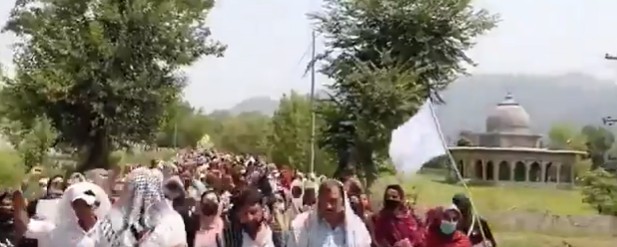
New Delhi, July 29, 2026 — Usama Jameel, a PhD scholar, is among at least 38 dead in Rawalakot in Pakistan Occupied Kashmir (PoK). Jameel had joined a peaceful protest in the area against the alleged rigging of the elections in the first phase. Pakistan’s ruling Pakistan Muslim League (Nawaz) has majorly won the elections in the first phase in the PoK.
Jameel had joined the protest that was marching towards Muzaffarabad, said Sohaib Khan in a post on X. Khan describes himself as a Kashmiri nationalist.
“As per local residents, Pakistani forces are entering Sehnsa Bazar, district Kotli of Pakistan administrated Kashmir. The heavy deployment continues as the crackdown on peaceful Kashmiri protesters intensifies across Azad Kashmir,” Khan wrote on X.
Sardar Amman Khan, president of JKLF, wrote on X: “In just two days, Pakistani forces have brutally killed 38 peaceful Kashmiri protesters. This is not law enforcement, it is a massacre of unarmed civilians demanding their basic rights.”
Protests have been raging in the PoK for months in the run up to the local elections. The locals have been claiming that heavy armed forces had been deployed in the region.
According to Al Jazeera, at least 20 people were killed after security forces fired live ammunition and tear gas at demonstrators protesting alleged electoral fraud following the first phase of regional elections.
Blood on the Mountains: Pakistan’s Iron Fist in Occupied Kashmir
The violence was centred in Rawalakot, where protests had already been simmering for weeks over local grievances before being intensified by accusations of vote rigging in the elections held in nearby Mirpur.
The first phase of polling covered 13 constituencies, with voter turnout reported to be low amid boycott calls and growing public anger.
According to Al Jazeera’s Islamabad correspondent Kamal Hyder, Pakistan’s ruling political parties accused each other of manipulating the electoral process, reflecting a pattern that has long characterised elections in the country.
The ruling Pakistan Muslim League-Nawaz (PML-N) won nine of the 13 seats, while the Pakistan Peoples Party (PPP) alleged widespread rigging.
Hyder told the Qatar-based broadcaster that “allegations surrounding electoral credibility have become almost routine in Pakistan, where many citizens believe election outcomes are influenced by powerful institutions rather than voters alone.”
The immediate trigger for the latest violence came after protesters gathered in Mirpur to condemn what they described as excessive use of force by security personnel. Demonstrators reportedly urged businesses to shut down in protest before security forces opened fire, resulting in additional casualties.
The unrest now threatens the remaining phases of the elections.
The second phase, scheduled for August 2 in Muzaffarabad, could face disruption as protesters from Rawalakot have threatened to march towards the regional capital. Authorities say security restrictions are intended to prevent further violence, while protesters accuse the government of suppressing peaceful dissent.
A third phase is scheduled for August 10.
Another contentious issue concerns 12 reserved legislative seats allocated to Kashmiris residing elsewhere in Pakistan. Protest groups argue these seats enable political engineering by successive governments and have demanded their abolition.
Follow The Raisina Hills on WhatsApp, Instagram, YouTube, Facebook, and LinkedIn




