


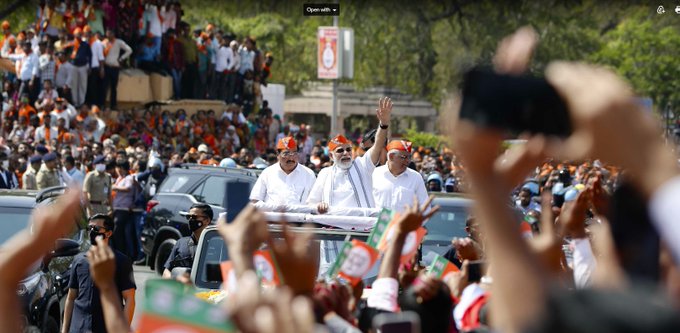
With Uttarakhand already on board, BJP now has two UCC states — and Gujarat CM Bhupendra Patel says this is not about religion but equality before the law, ahead of 2027 assembly elections
By NIRENDRA DEV
New Delhi, March 25, 2026 — Gujarat became India’s second state to pass a Uniform Civil Code on Tuesday, joining Uttarakhand in codifying a single set of personal laws that will apply to every citizen regardless of religion — covering marriage, divorce, inheritance, adoption, guardianship, and the partition of assets.
The Gujarat Uniform Civil Code Bill, passed after an eight-hour debate in the state assembly on March 24, 2026, carries two provisions that will define its public impact most immediately: Muslim women will for the first time receive equal rights in ancestral property on par with women from other communities, and live-in couples across the state will be required to register their relationships.
Chief Minister Bhupendra Patel was unambiguous about the legislation’s intent. “This Bill is not against any religion; it is about equality before the law,” he told the assembly. “This is not just a legal process, but our firm resolve to strengthen the national commitment of equality, justice and unity,” he added.
The UCC completes the third of BJP’s three foundational political commitments — after the construction of the Ram temple in Ayodhya and the abrogation of Article 370 in Jammu and Kashmir. With Gujarat heading to assembly polls by November-December 2027, the timing is deliberate, anchoring the party’s identity ahead of an election in its most politically significant state.
The legislation mandates compulsory registration of marriages — a provision Patel said would protect women and children from fraud and false marital claims — and establishes uniform rules for divorce and equal inheritance rights for sons and daughters. The state’s Scheduled Tribe population is exempted.
The opposition Congress raised objections, questioning both the bill’s constitutional validity and the speed of its drafting and passage. But with BJP holding 156 of 182 assembly seats — the highest tally ever won by any party in Gujarat’s history — the legislative outcome was never in doubt.
The UCC now awaits the Governor’s assent. Once signed, Gujarat joins Uttarakhand as a test case for what a national UCC might look like — and for how India navigates the collision between religious personal law and constitutional equality.
BJP’s Power Puzzle: Why Arithmetic May Decide Modi’s Successor
Follow The Raisina Hills on WhatsApp, Instagram, YouTube, Facebook, and LinkedIn




