


By MANISH ANAND
Sheila Dikshit, when she was Chief Minister, pursued an elevated corridor from east to west parts of the city. If the project had been done, there would have been no congestions on city roads, including the nightmarish ITO. But the heritage addicts shot down the project, saying that the city has to maintain its character, which at the core is horizontal.
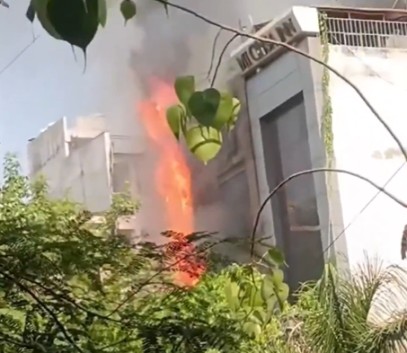
New Delhi, June 5, 2026 — Delhi never learns lessons. Delhi rather forgets episodes. Lambs roar, as they say, before drowning in the din of life. Twenty-one persons lost their lives in a horrific fire in Delhi’s Malviya Nagar this week. Memory refreshed to remind that many new-born babies were killed in a fire mishap at a clinic in the national capital recently. Making the fire mishap a routine affair, Bihar also reported deaths at a hospital.
The old saying is: Fire is a good servant but a very bad master. In India, and in Delhi particularly, fire is never thought to dread. That explains match-box styles flats. No exit plans can be seen in most of dwelling units in the event of a fire mishap.
Normalising everything illegal is also an identity of Delhi. Libraries can run in basements where aspiring IAS students would drown to their deaths. Delhi’s commercial underbelly lies in basements.
India showcases the country as an affordable medical destination. Max Super speciality hospital in Saket is India’s foremost luxury hospital. Across the road, a ghetto expands where the caregivers stay as their relatives receive treatments at the hospital.
Ghettoes in Delhi are tolerated in the name of Lal Dora villages. Anything can be done in such areas just because the Britishers gave them a name and a license to operate per their whims. Hauz Rani has the ill-fated hotel where 21 people perished in the raging fire. Saidullah Jab had an office complex running, which came down tumbling, killing about a dozen who were taking their meals in the mess.
Delhi Urban Arts Commission and many of its kins guard the horizontal character of the city. The city cannot go vertical. Netas will live in sprawling bungalows, with sizes varying from 1.5 acre plots to even five acres. They will wake up to the chirping of peacocks. Mighty trees on such plots keep lungs of netas clean.
Bureaucrats keep pace with Netas. They built New Moti Bagh. The top echelons of the bureaucracy arranged for villas in the township, overlooking India’s diplomatic enclave.
Lesser mortals adjust somehow — anywhere with whatever facilities.
Sheila Dikshit, when she was Chief Minister, pursued an elevated corridor from east to west parts of the city. If the project had been done, there would have been no congestions on city roads, including the nightmarish ITO. But the heritage addicts shot down the project, saying that the city has to maintain its character, which at the core is horizontal.
Delhi has policy leaders among those who can really see but act as blind. That should explain why the people in the city are treated as lambs.
21 Dead in Delhi Hotel Fire, Majority of Victims Reportedly Foreign Nationals
Follow The Raisina Hills on WhatsApp, Instagram, YouTube, Facebook, and LinkedIn




