


By BHAWNA MALIK
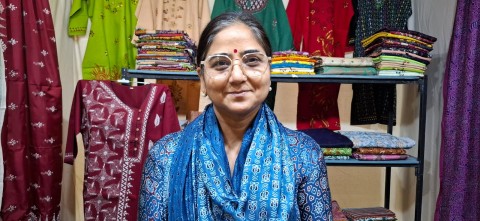
State Award-winning Kantha artist Binal is combining traditional embroidery with contemporary design while creating fairer livelihood opportunities for more than 200 rural women artisans.
New Delhi, August 17, 2026 — In an era of fast fashion and machine-made textiles, State Award-winning Kantha artist Binal is proving that India’s traditional crafts can thrive when heritage is combined with innovation and social purpose. A designer by profession and a passionate craft revivalist, she has dedicated her life to preserving Bengal’s centuries-old Kantha embroidery while creating sustainable livelihoods for hundreds of rural women.
“Kantha is our heritage. Every stitch carries patience, tradition and the story of the woman who creates it. My aim has always been to preserve this legacy while ensuring that the artisans receive the respect and income they deserve,” she says.
Recognising that traditional crafts needed to evolve with changing times, Binal chose not only to preserve Kantha but to reinvent it for modern markets. By blending age-old embroidery techniques with contemporary aesthetics, she has given the craft a fresh identity without compromising its authenticity.
A trained designer, Binal has expanded the reach of Kantha beyond conventional products. Today, her elegant reverse stoles, hand-embroidered sarees, kurtas, dupattas and other handcrafted garments appeal to buyers across generations.
Grand G20 Crafts Bazaar; Opining best of handicrafts to world
“Traditional embroidery should not remain confined to museums. It should become a part of everyday life. That’s why I design products that young people would love to wear while keeping the soul of Kantha intact,” she explains.
Her distinctive work earned her the prestigious State Award in 2005, further strengthening her commitment to promoting the craft.
Awards, however, are not what define Binal’s journey. The greatest achievement, she believes, lies in the lives she has transformed.More than 200 women artisans from Habibpur, Pulia and Shantipur villages are now associated with her Textile Ministry-approved training centre.
“More than 200 rural artisans are working with us. We understand that these women have families and household responsibilities, so they contribute according to their availability and speed. Our objective is to create opportunities, not pressure,” she says.
For many women, embroidery has become a pathway to financial independence while allowing them to continue living with their families and preserving a skill passed down through generations.
One of Binal’s biggest contributions has been eliminating middlemen from the marketing chain.Traditionally, artisans earned only a small portion of the final selling price despite spending weeks or even months creating intricate pieces.
“We connect artisans directly with buyers through exhibitions, craft fairs and designer showcases. This ensures that the women receive fair compensation for their painstaking work,” she says.
Regular exhibitions have become much more than sales platforms. They generate fresh orders, introduce new customers to Kantha and provide artisans with confidence that their work is valued.
Interestingly, despite changing consumer behaviour, Binal has consciously stayed away from online stores.
“Kantha is an art that should be experienced. You should be able to touch the fabric, feel the texture and admire every stitch closely. Online photographs cannot do justice to handcrafted embroidery,” she says.
“The cost depends on the fabric, the craftsmanship, artisans’ wages, GST and courier charges. Even then, I always try to keep my creations affordable so that more people can own and appreciate this beautiful craft.”
Binal’s journey proves that preserving traditional art is not simply about protecting the past. It is about creating opportunities for the future.
Through thoughtful design, ethical business practices and women-led entrepreneurship, she has transformed Kantha from a fading household tradition into a vibrant creative enterprise.
“If our artisans earn with dignity, the craft will survive. When women become financially independent, entire families and communities move forward. That is the real success of my journey.”
Today, every Kantha creation that leaves her workshop is more than a handcrafted textile—it is a story of heritage, dignity, resilience and hope, stitched lovingly by the skilled hands of rural women whose lives have been transformed one thread at a time.
From Thekua to Kalamkari: Modi Turns Heritage into Soft Power
Follow The Raisina Hills on WhatsApp, Instagram, YouTube, Facebook, and LinkedIn




